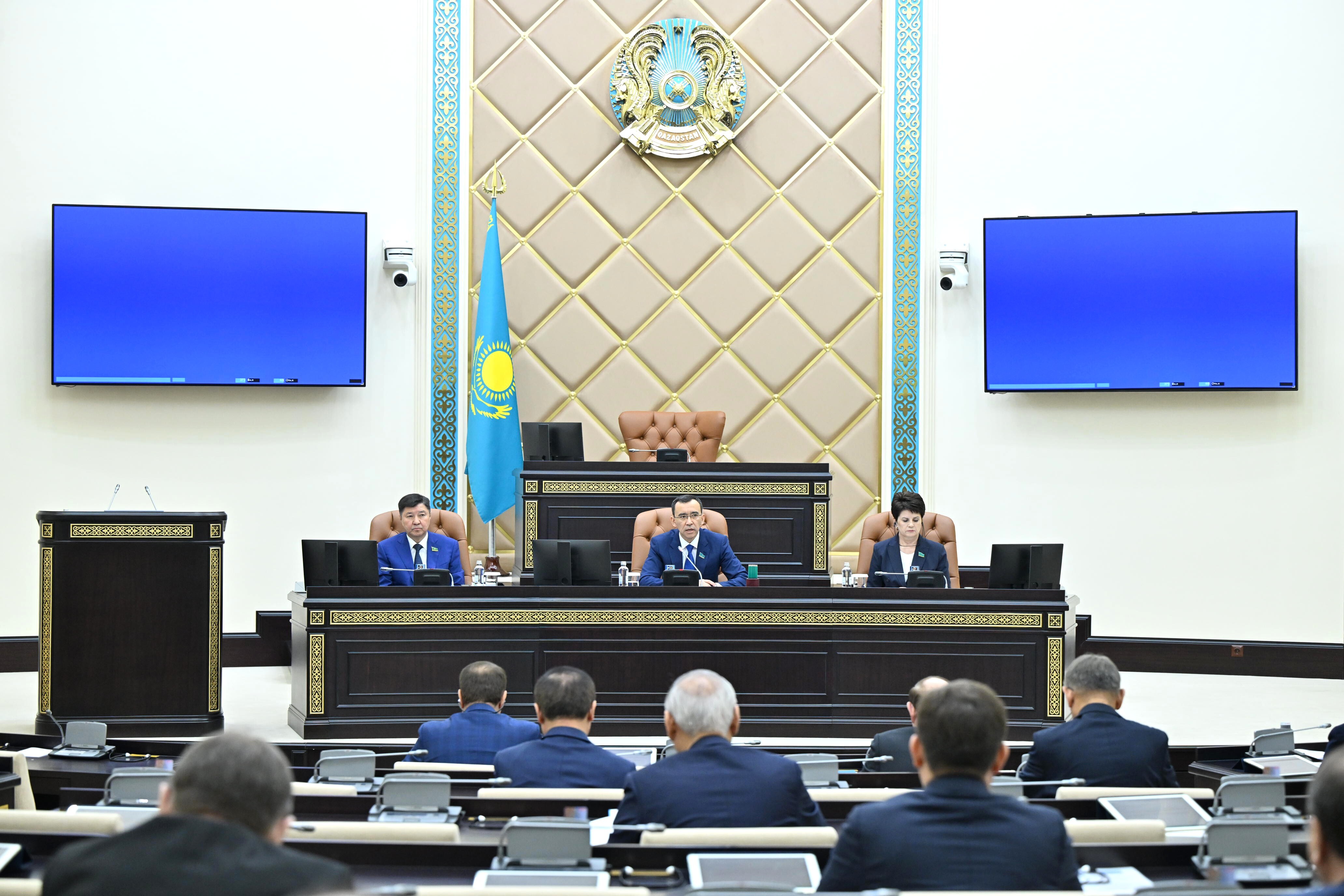
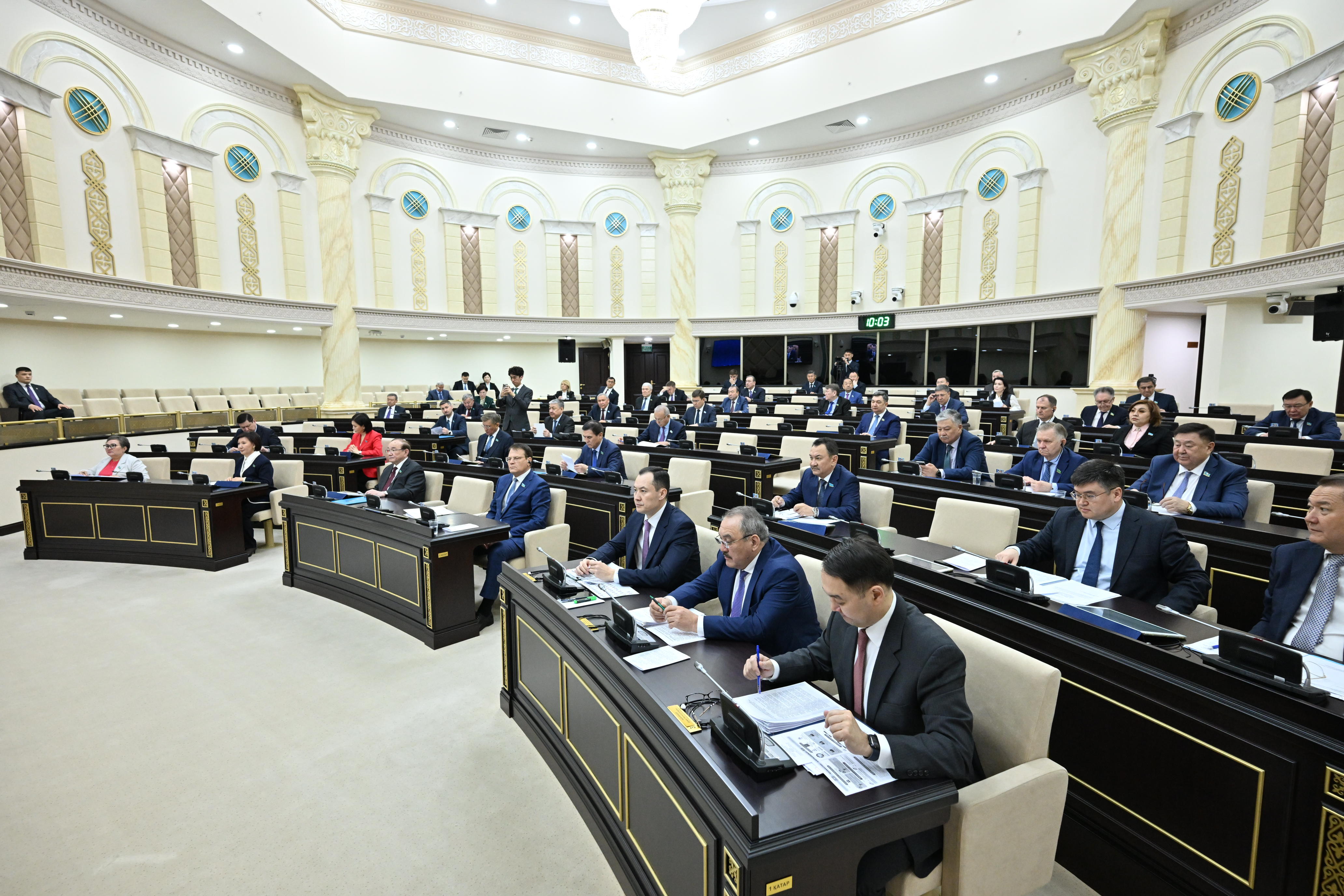
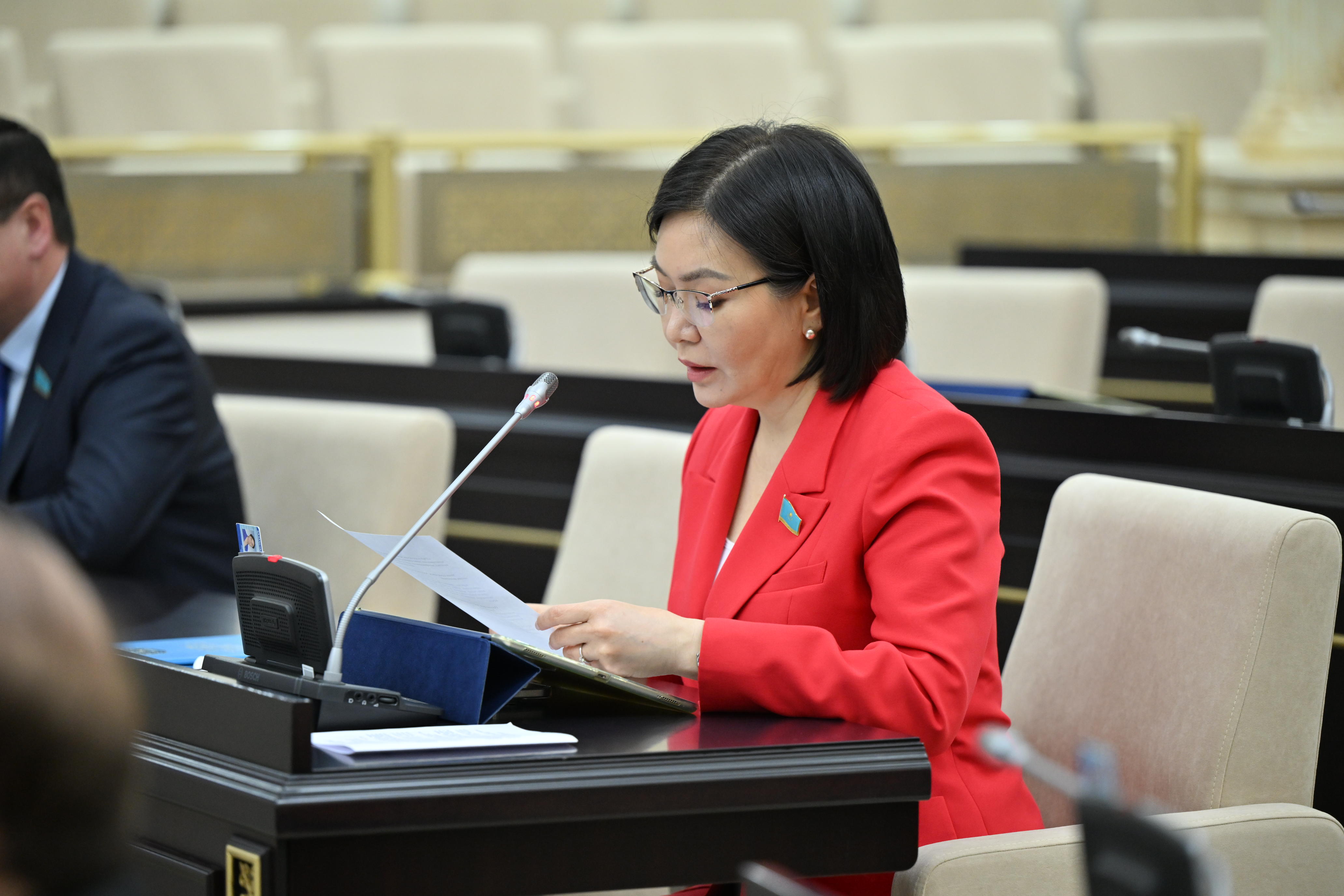
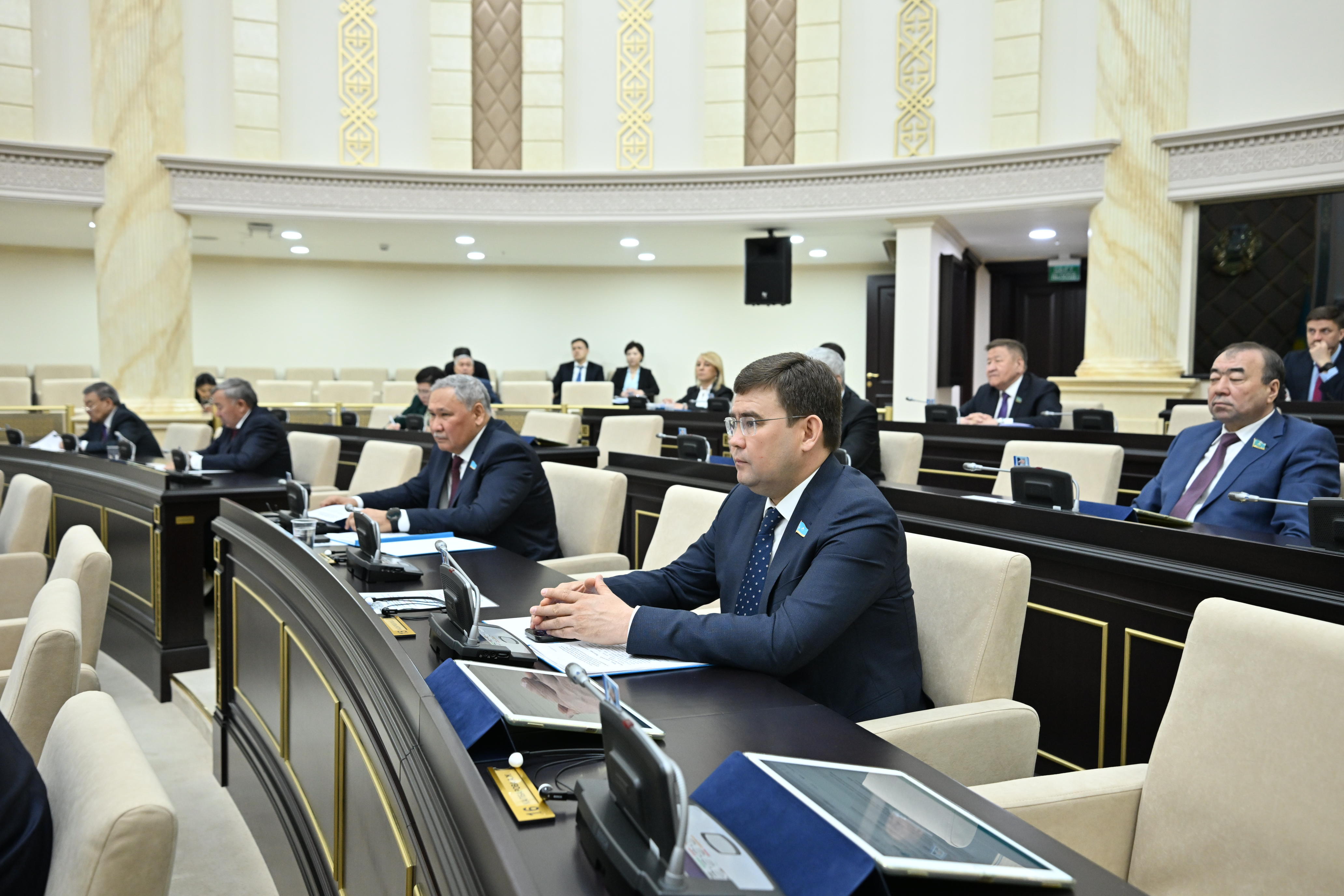
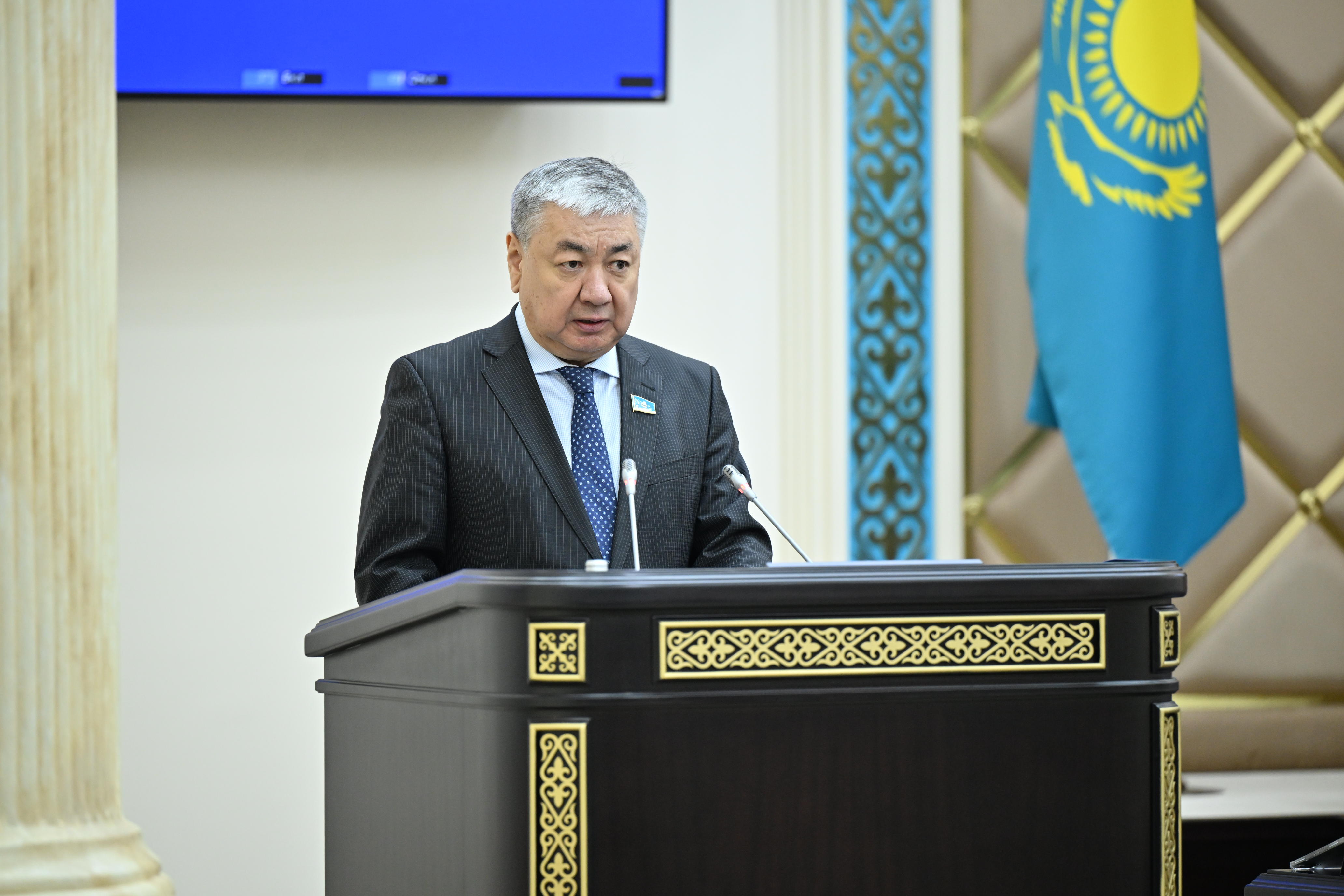
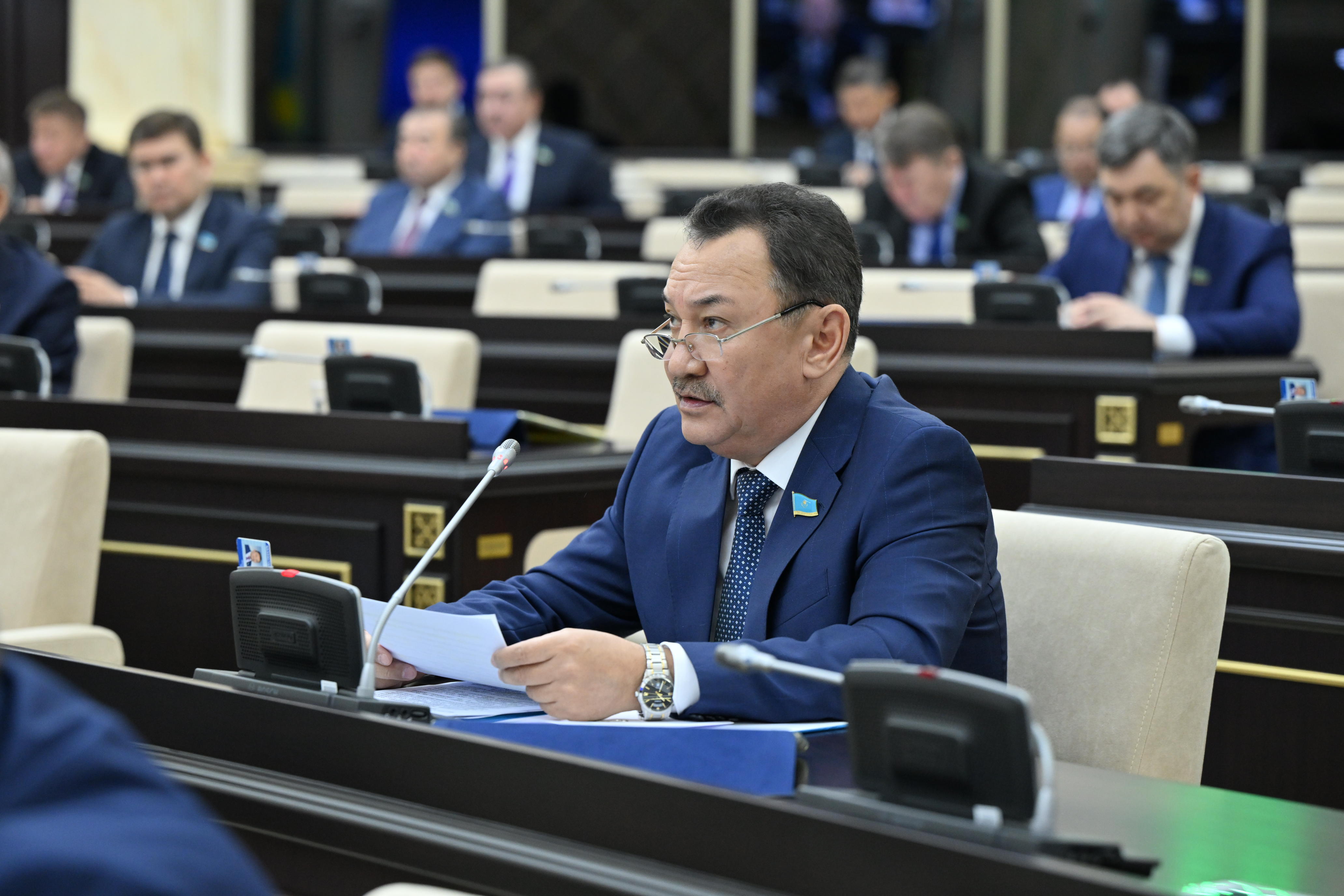
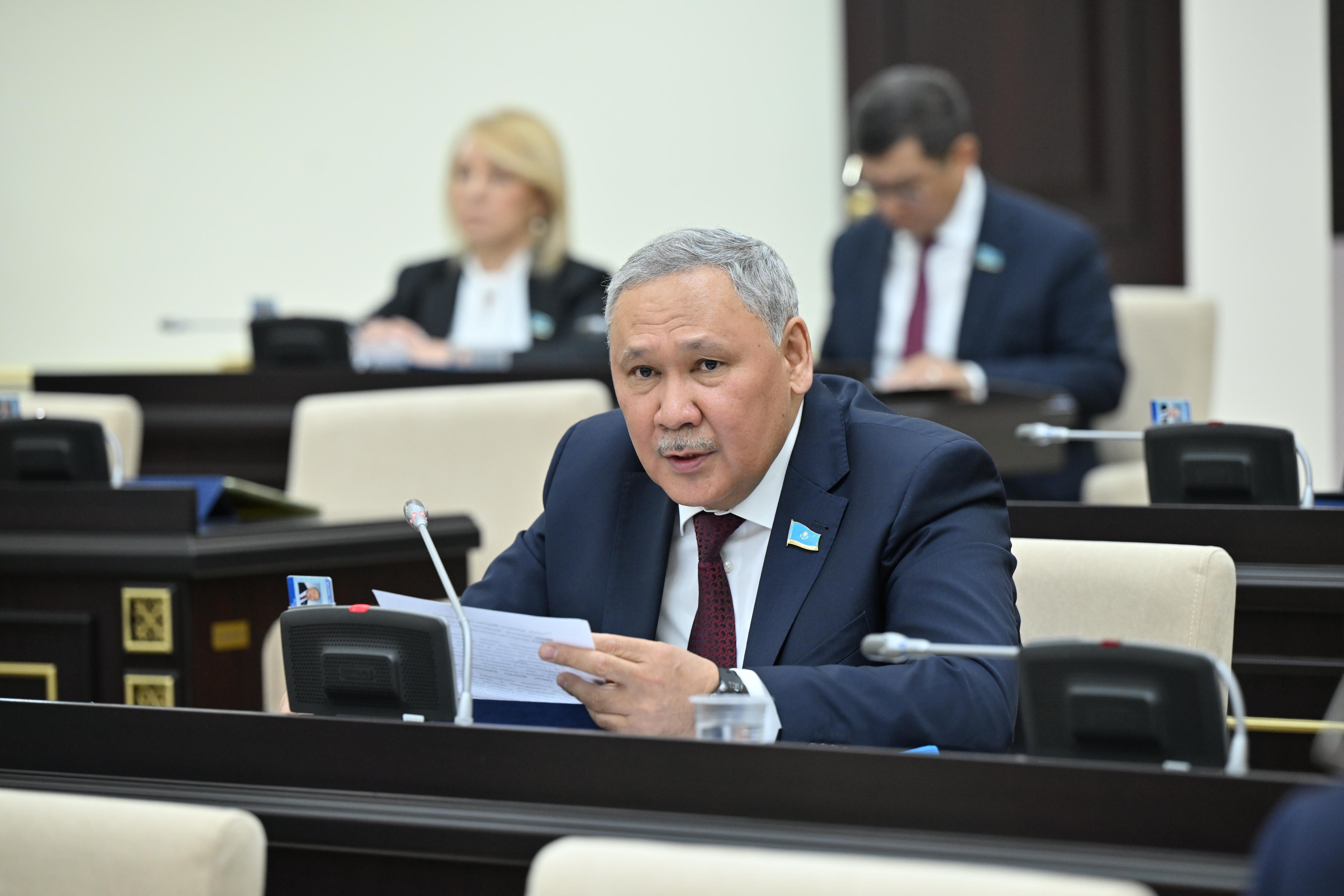
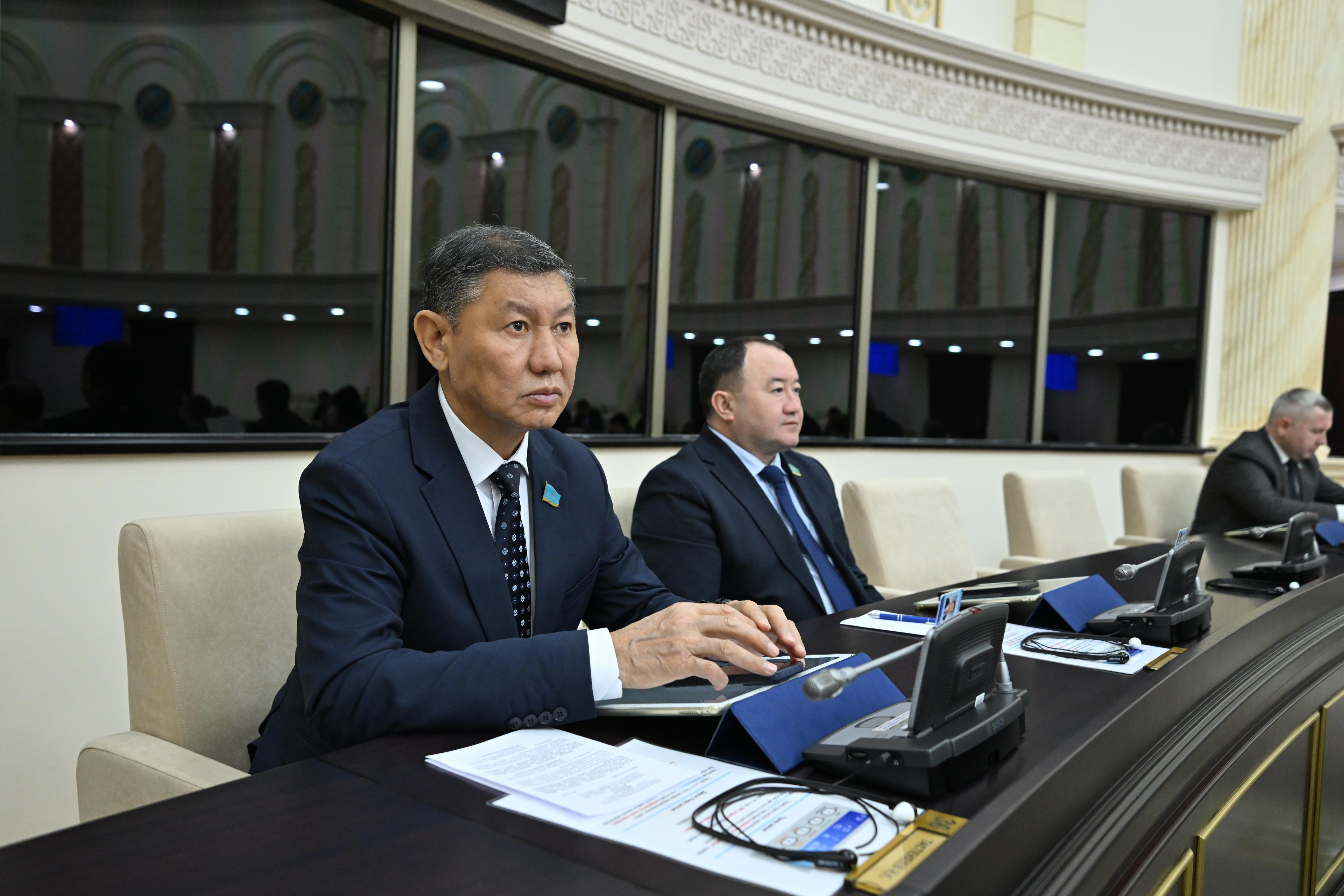
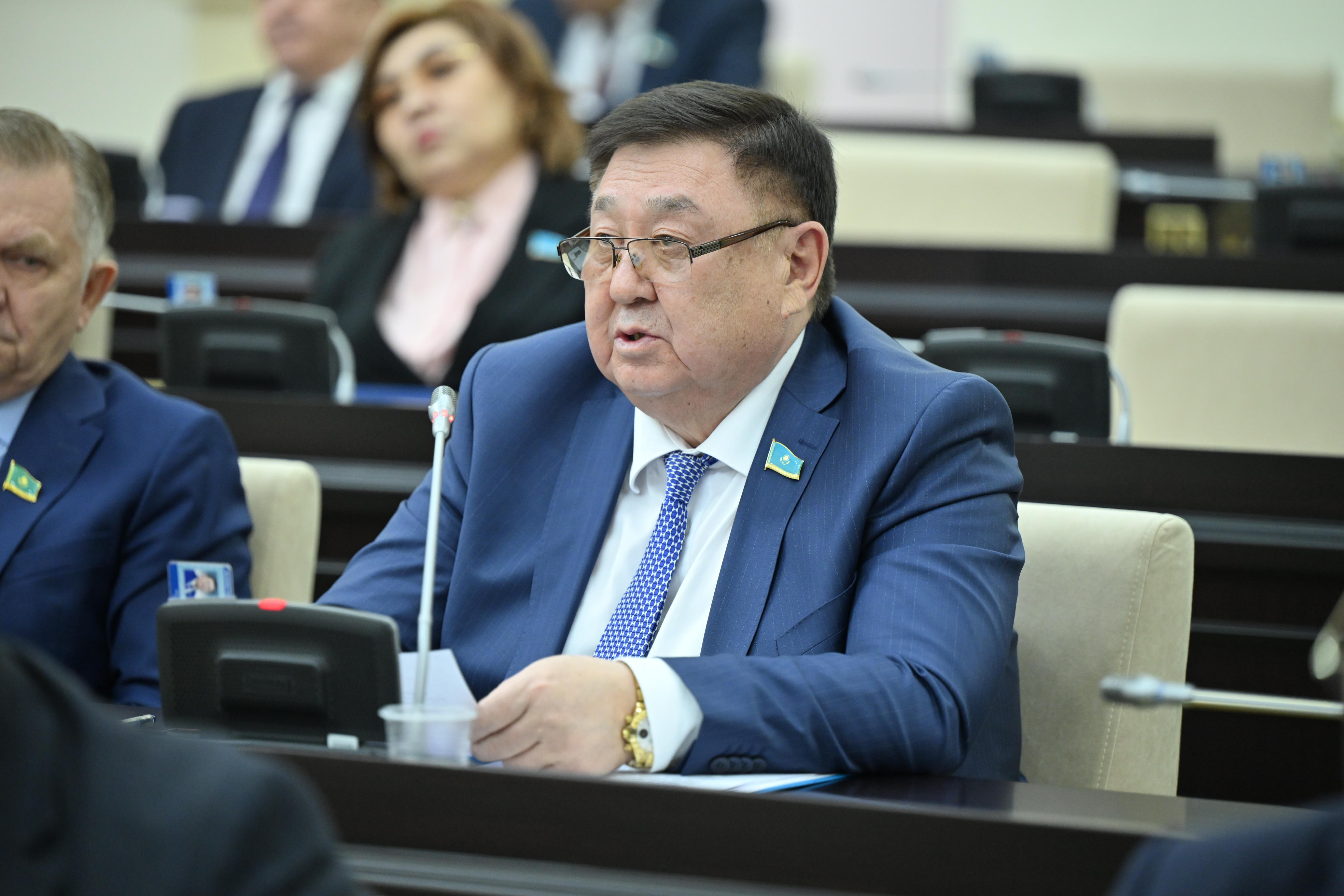
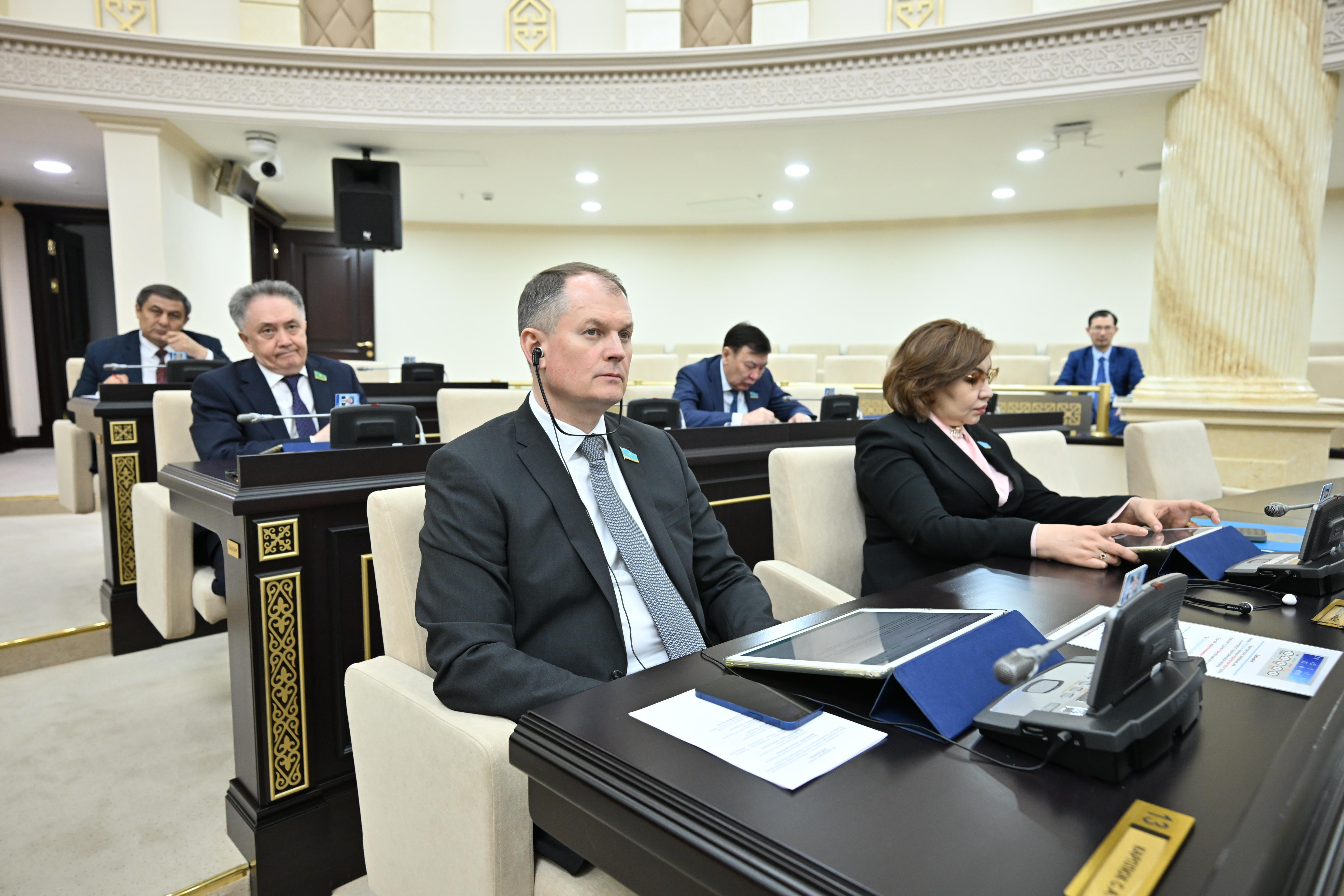
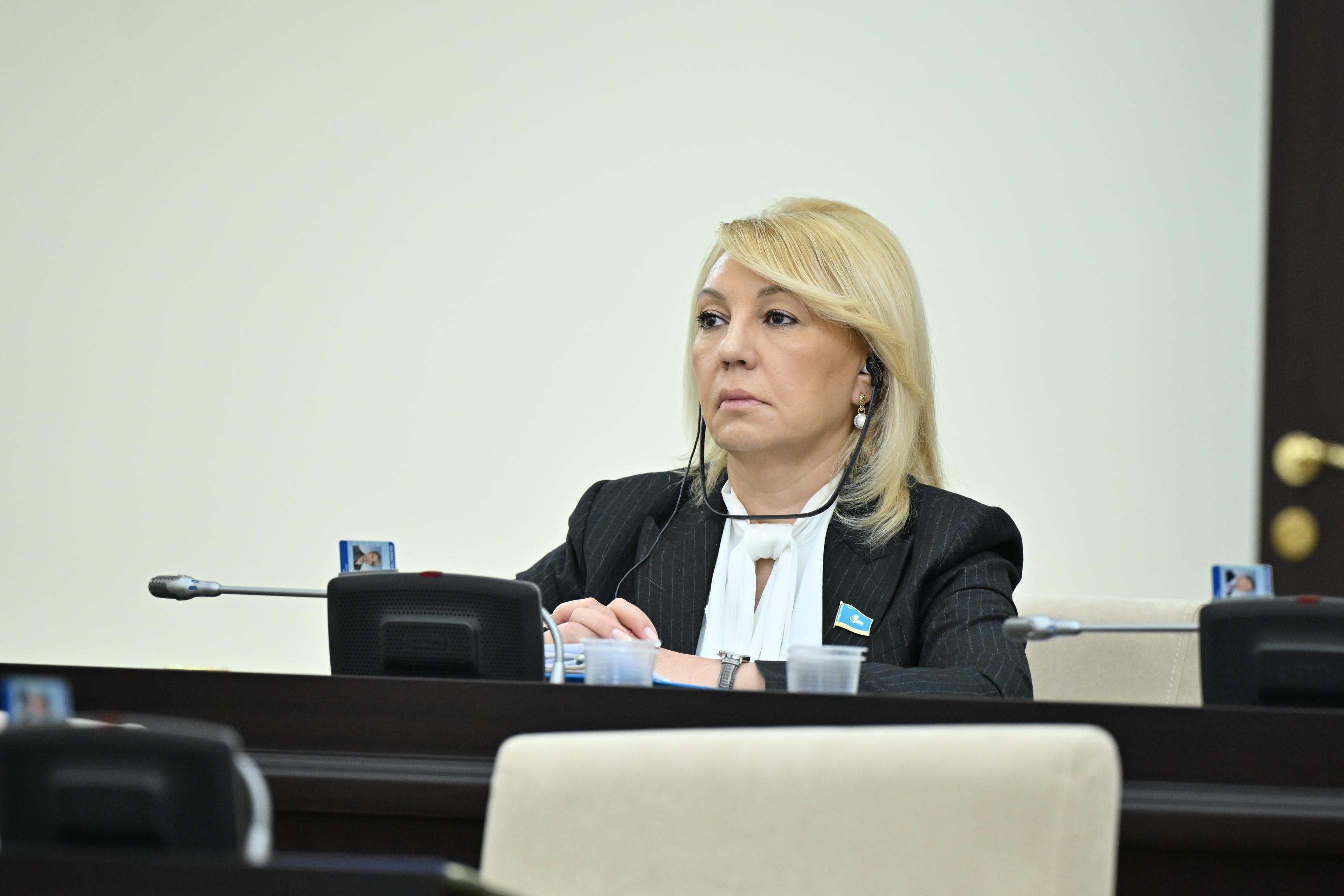
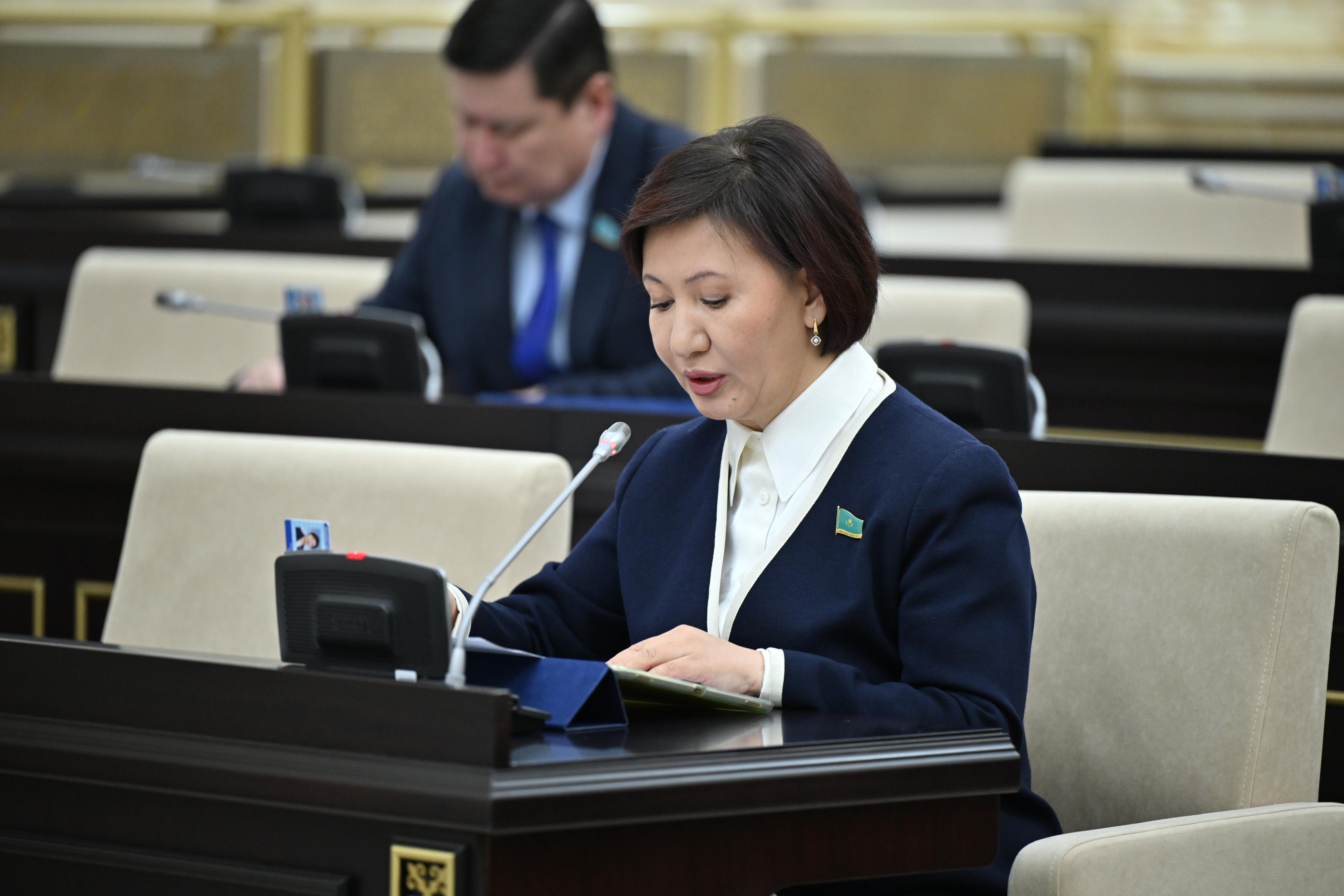
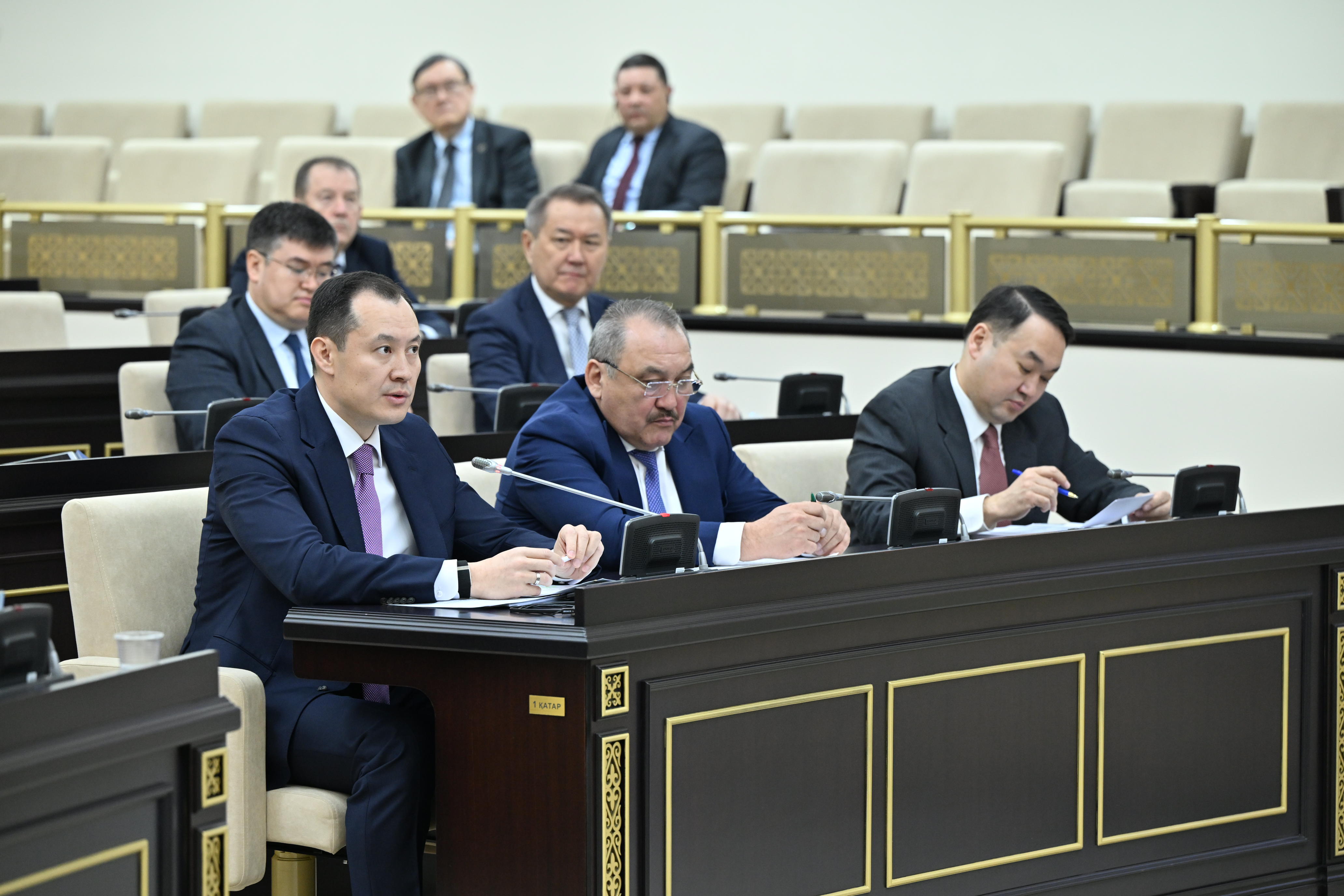
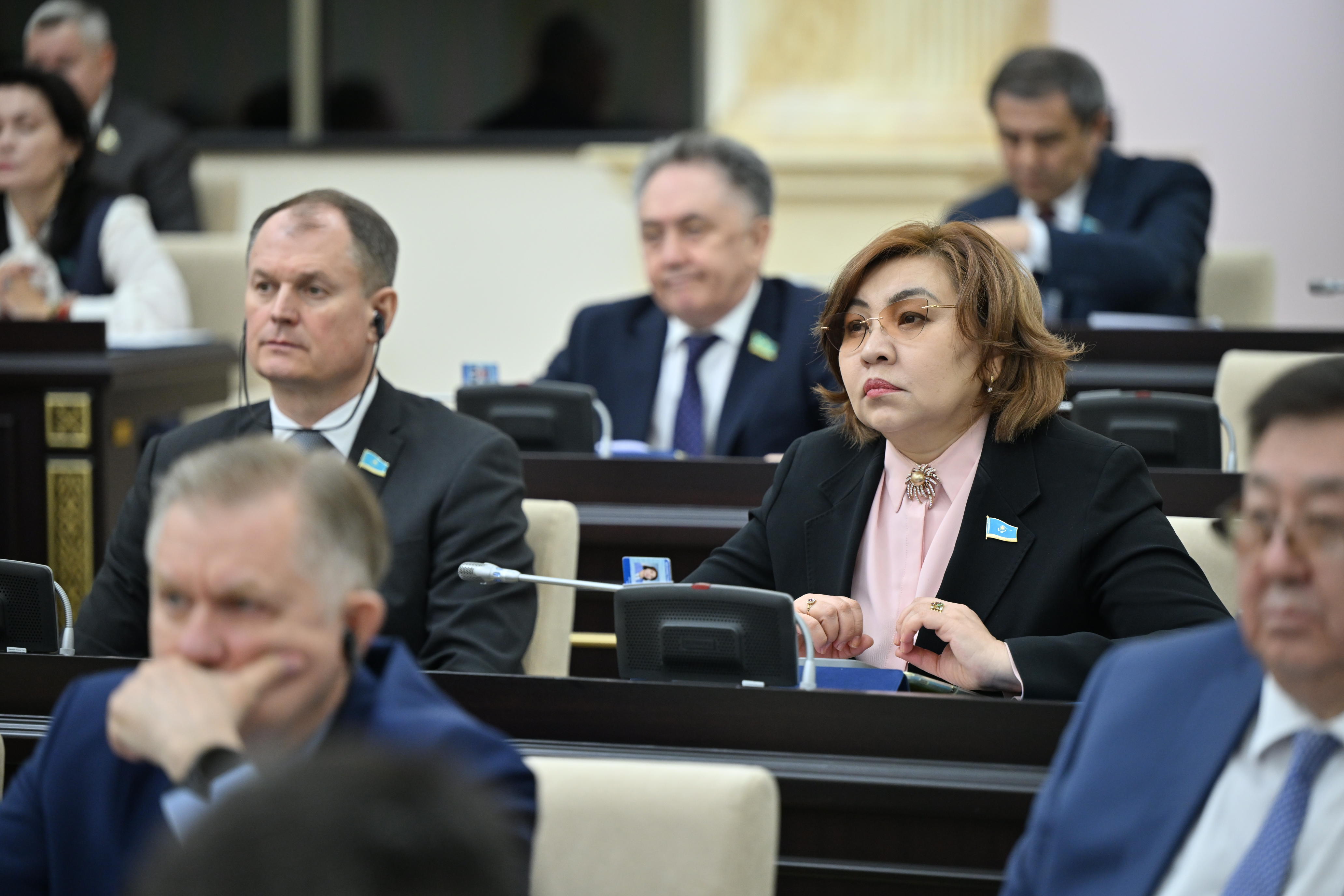
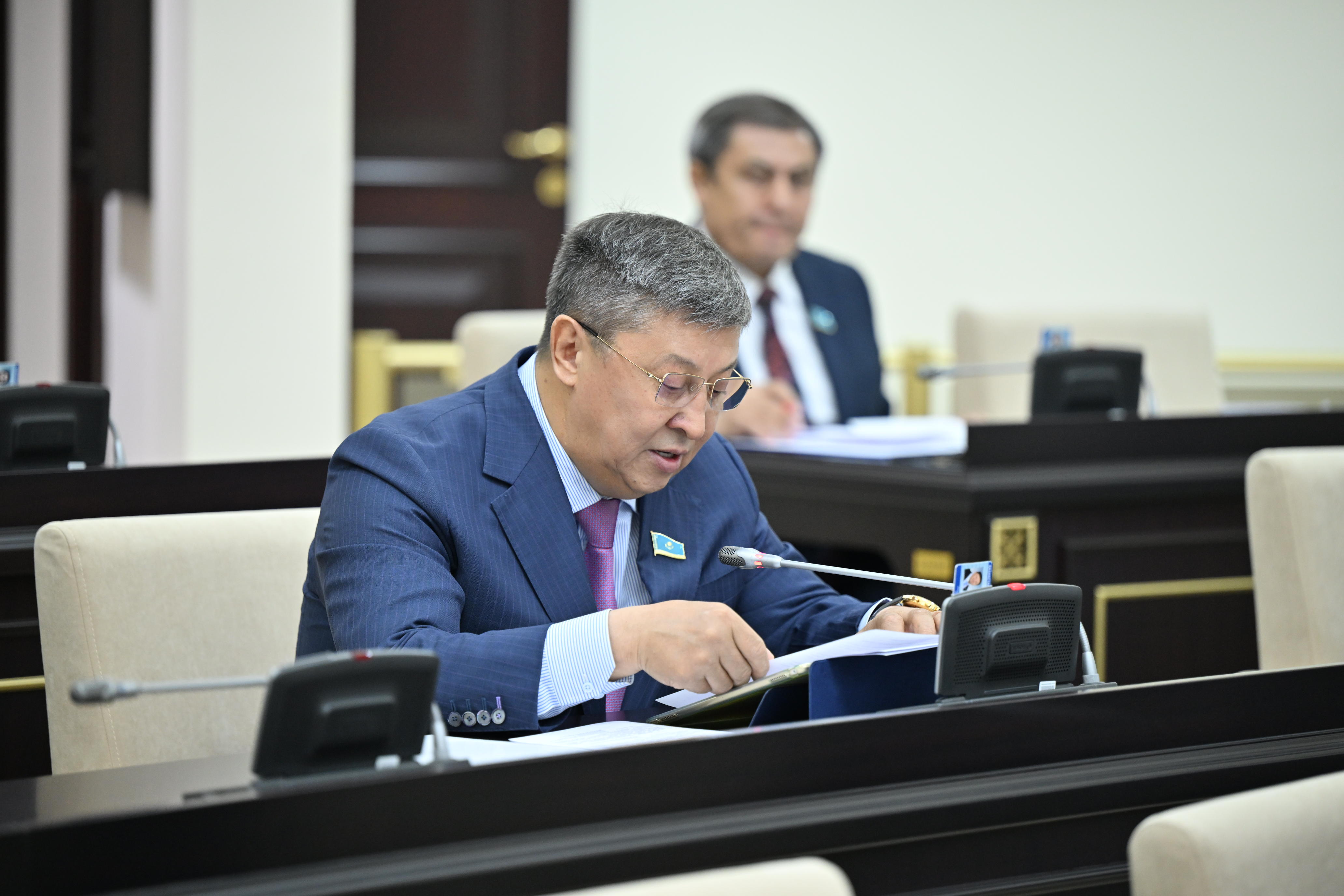
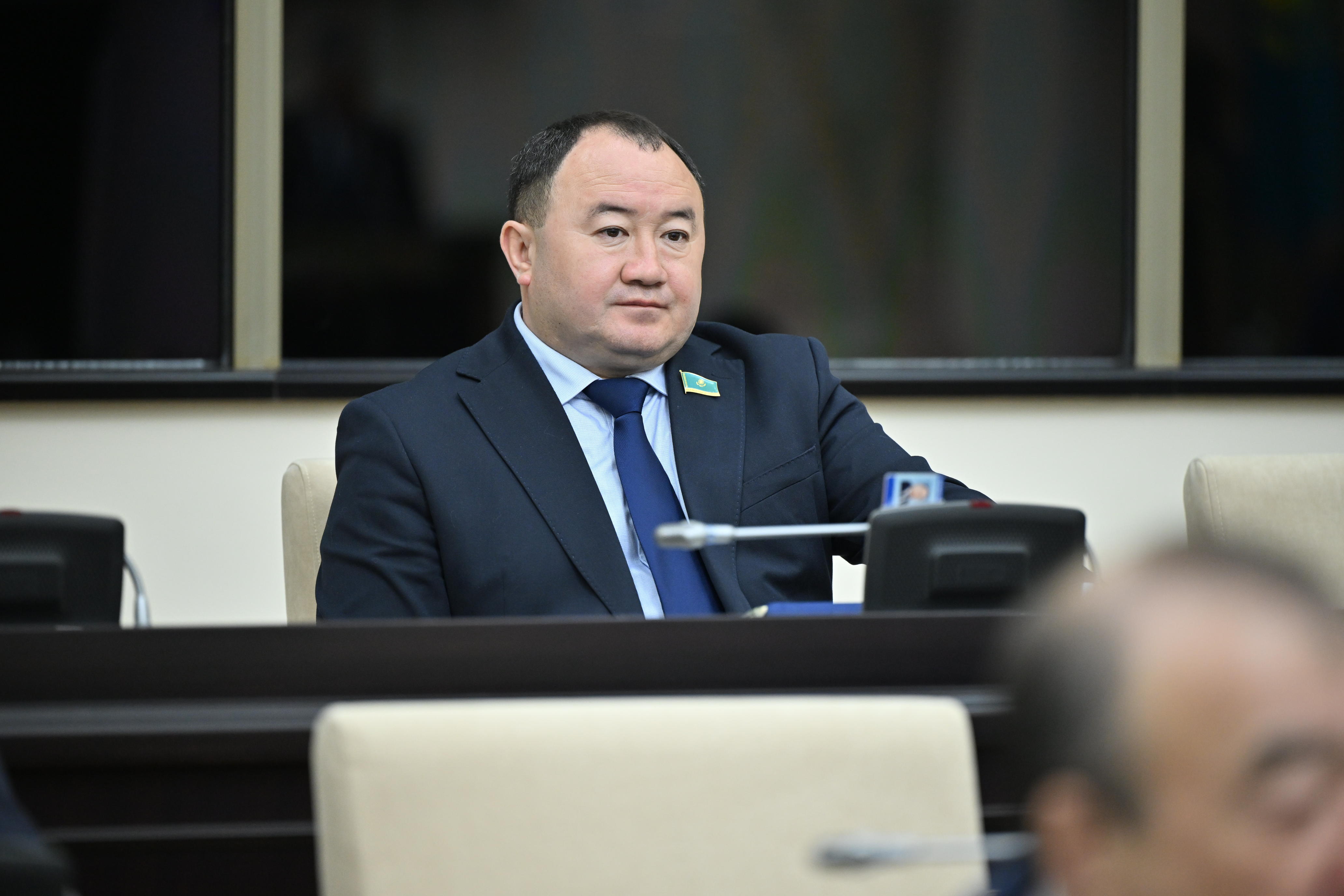
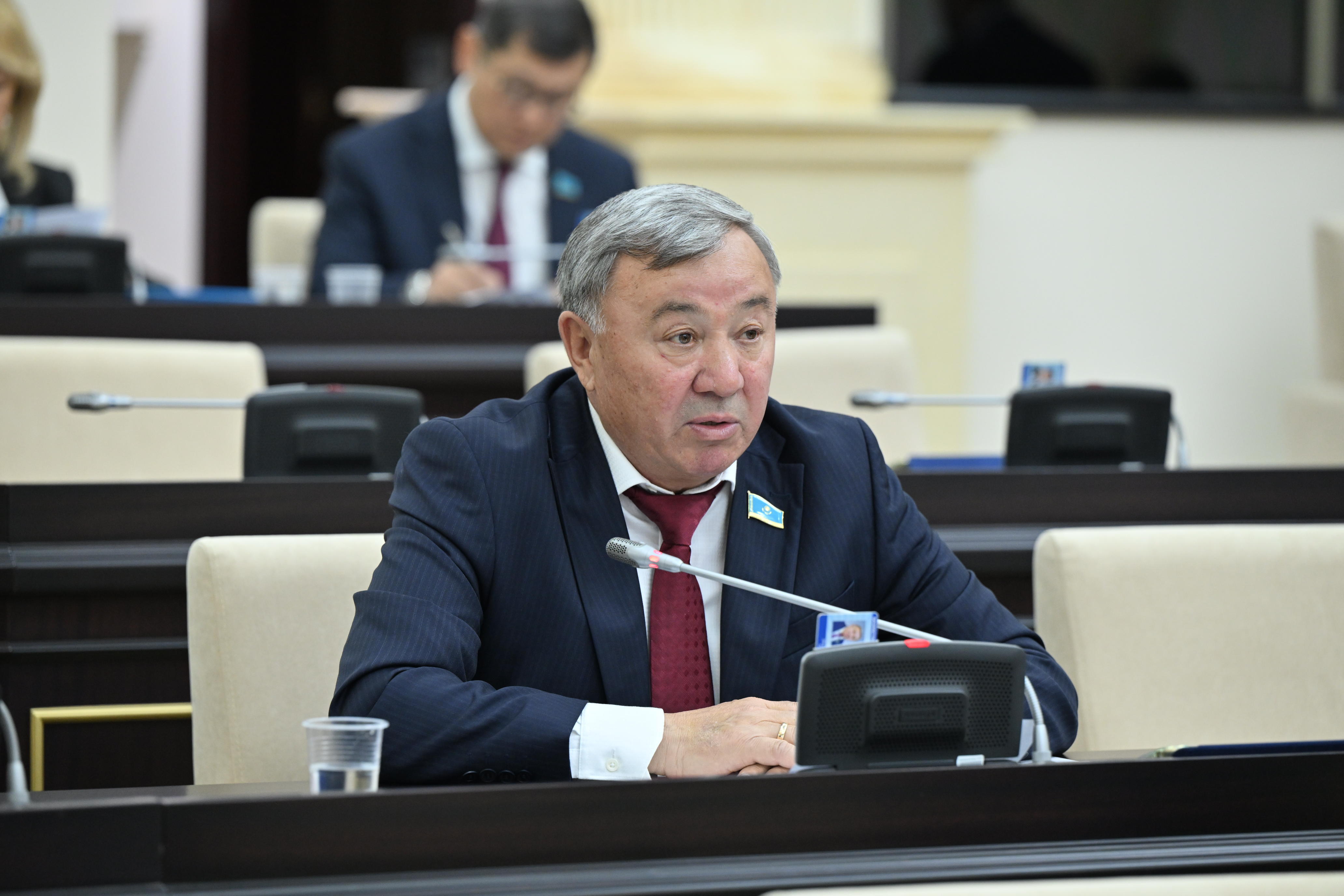
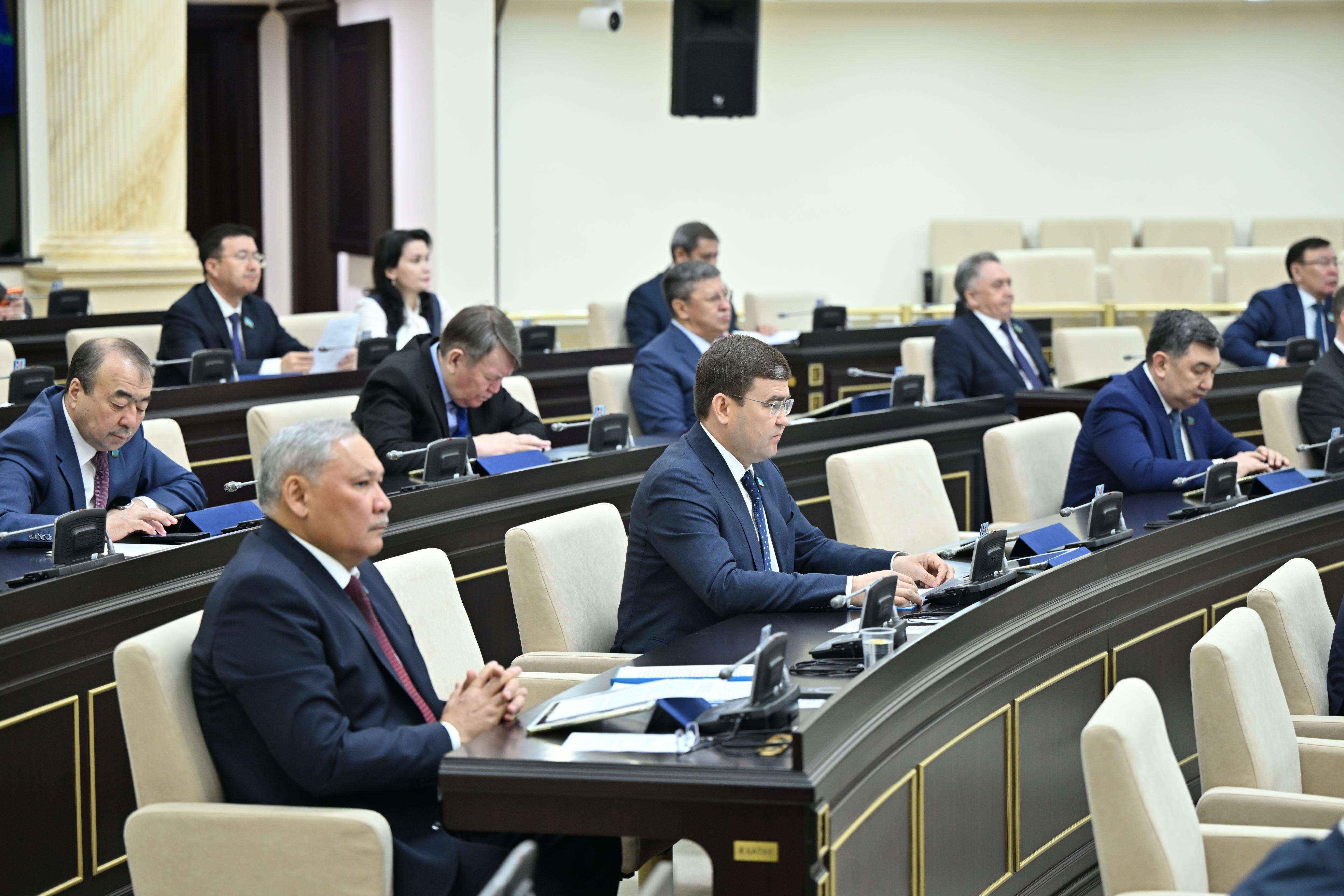
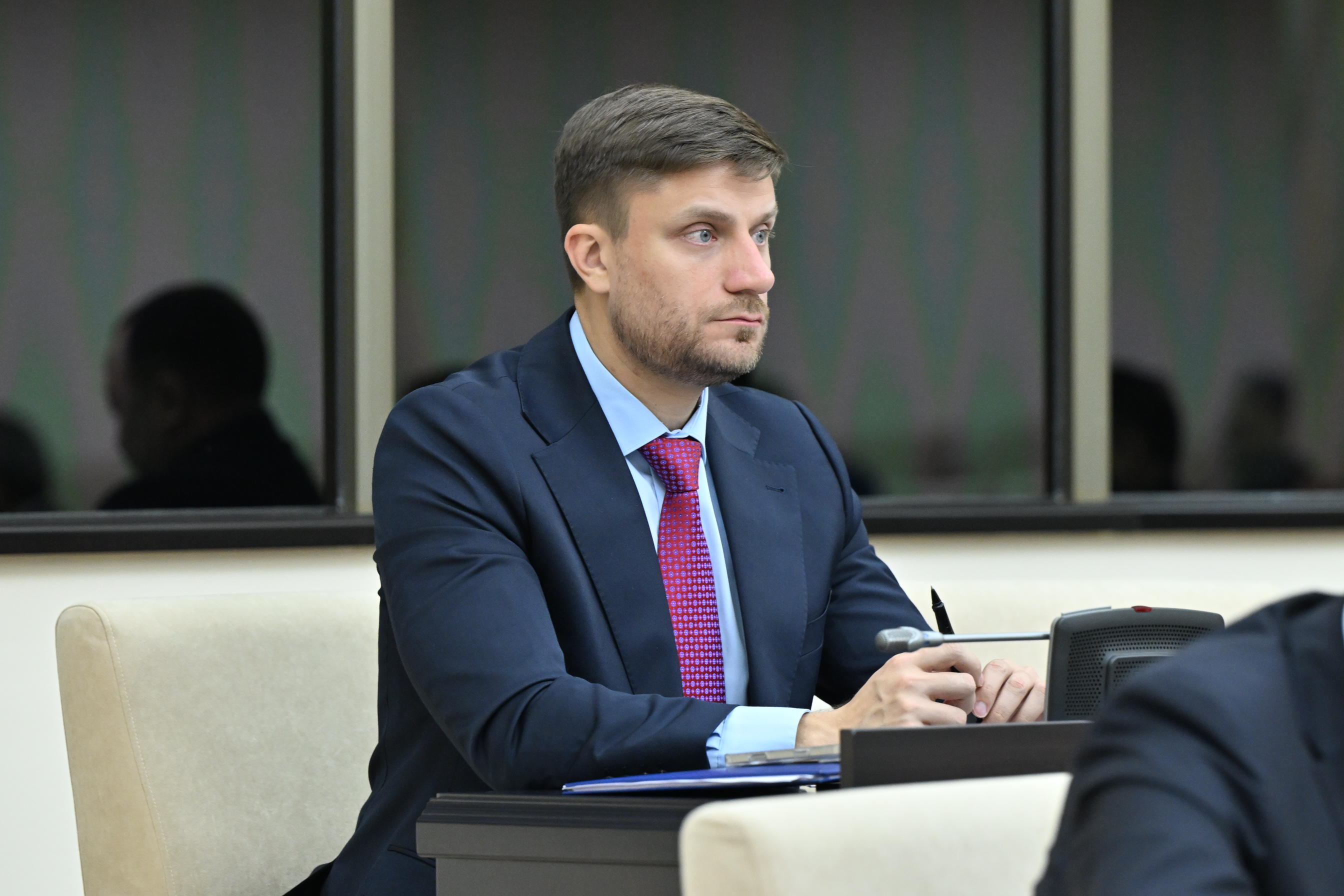
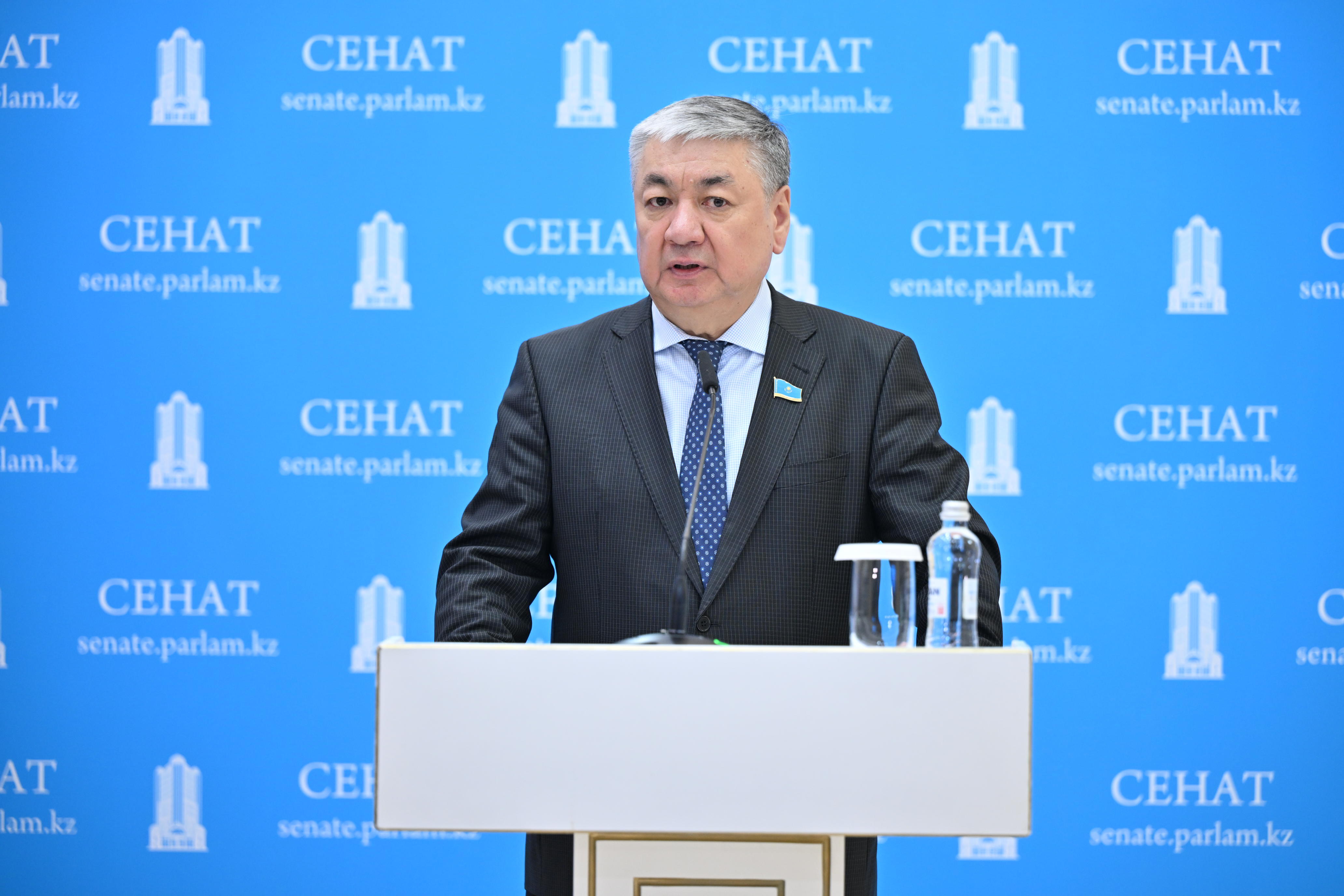
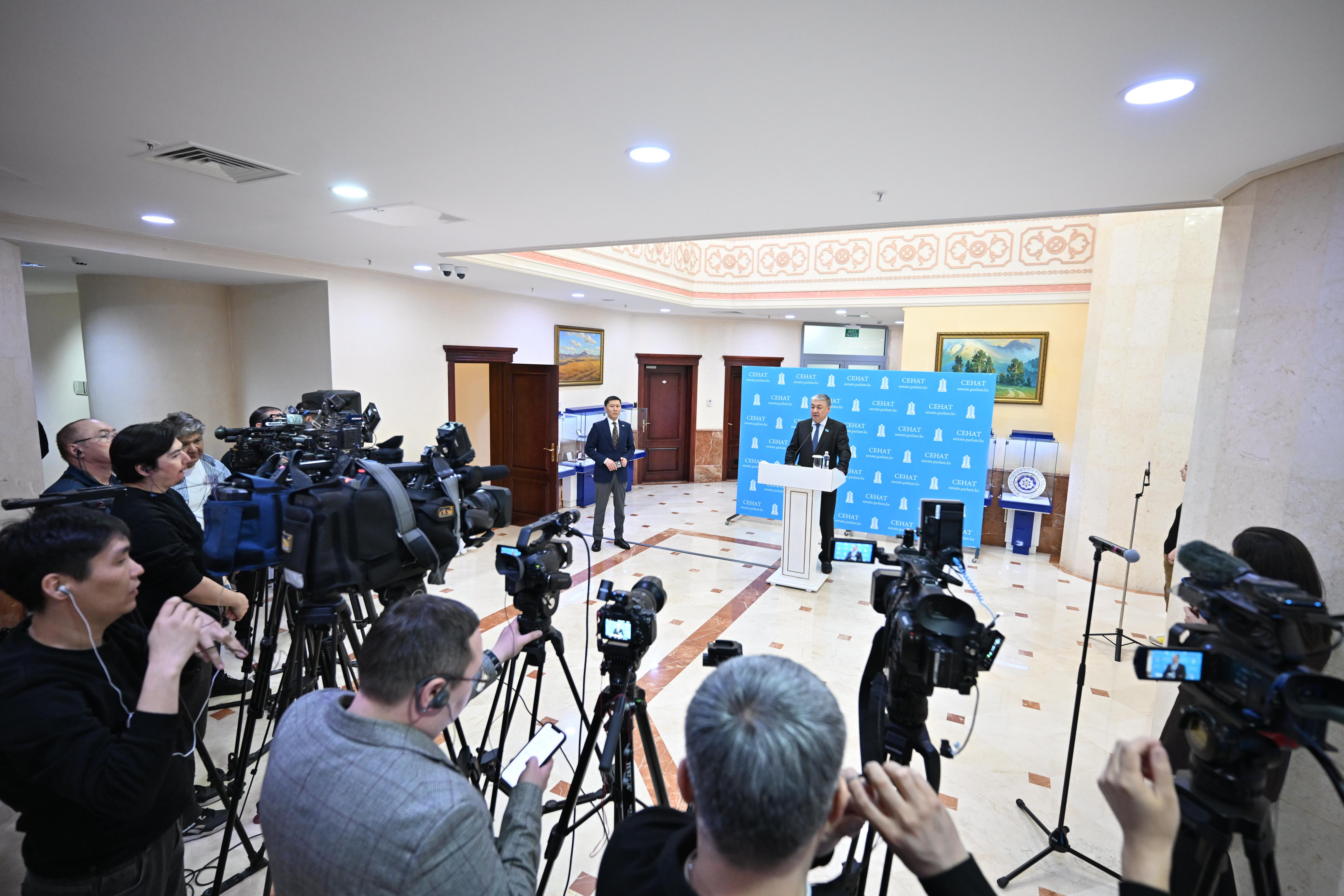
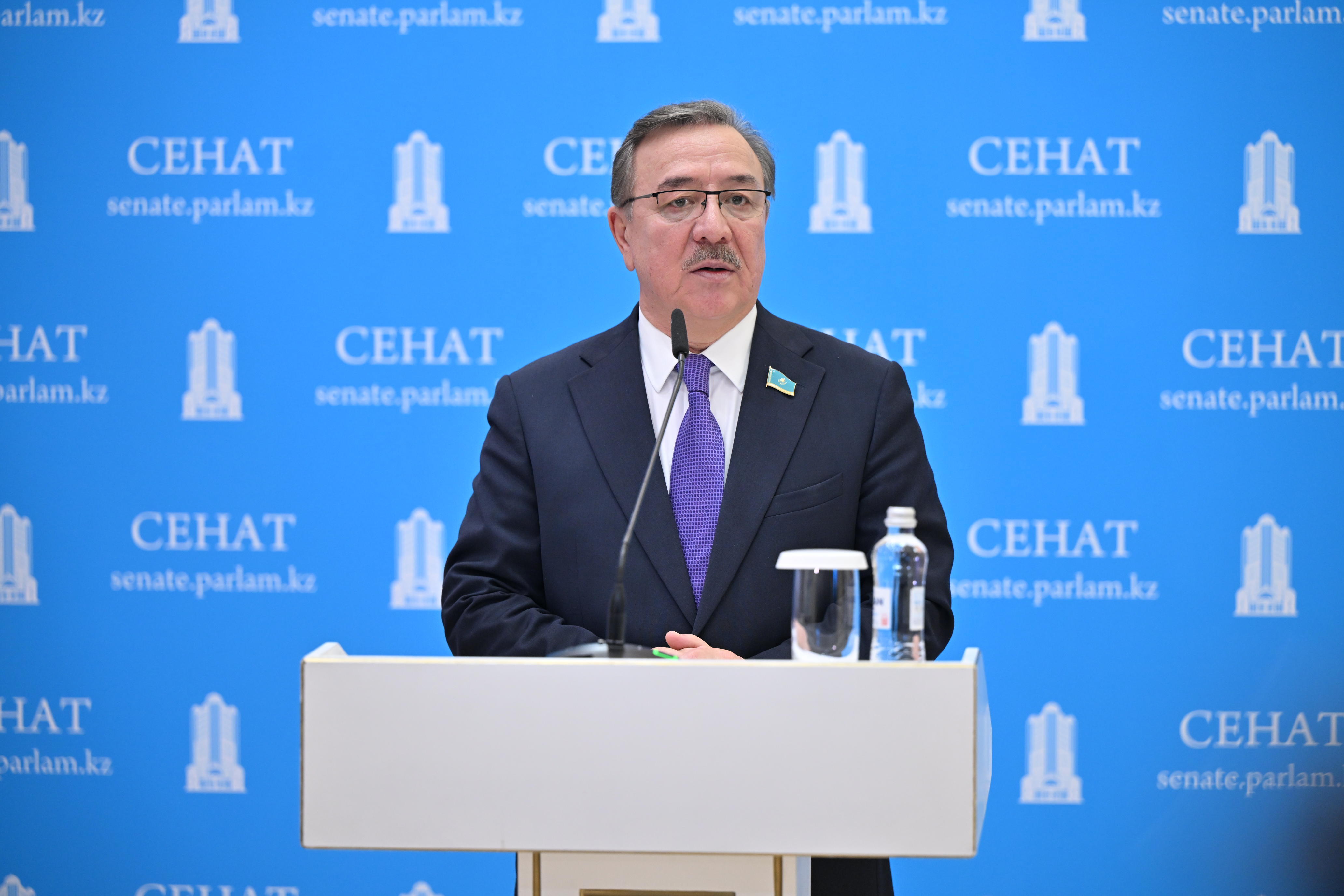
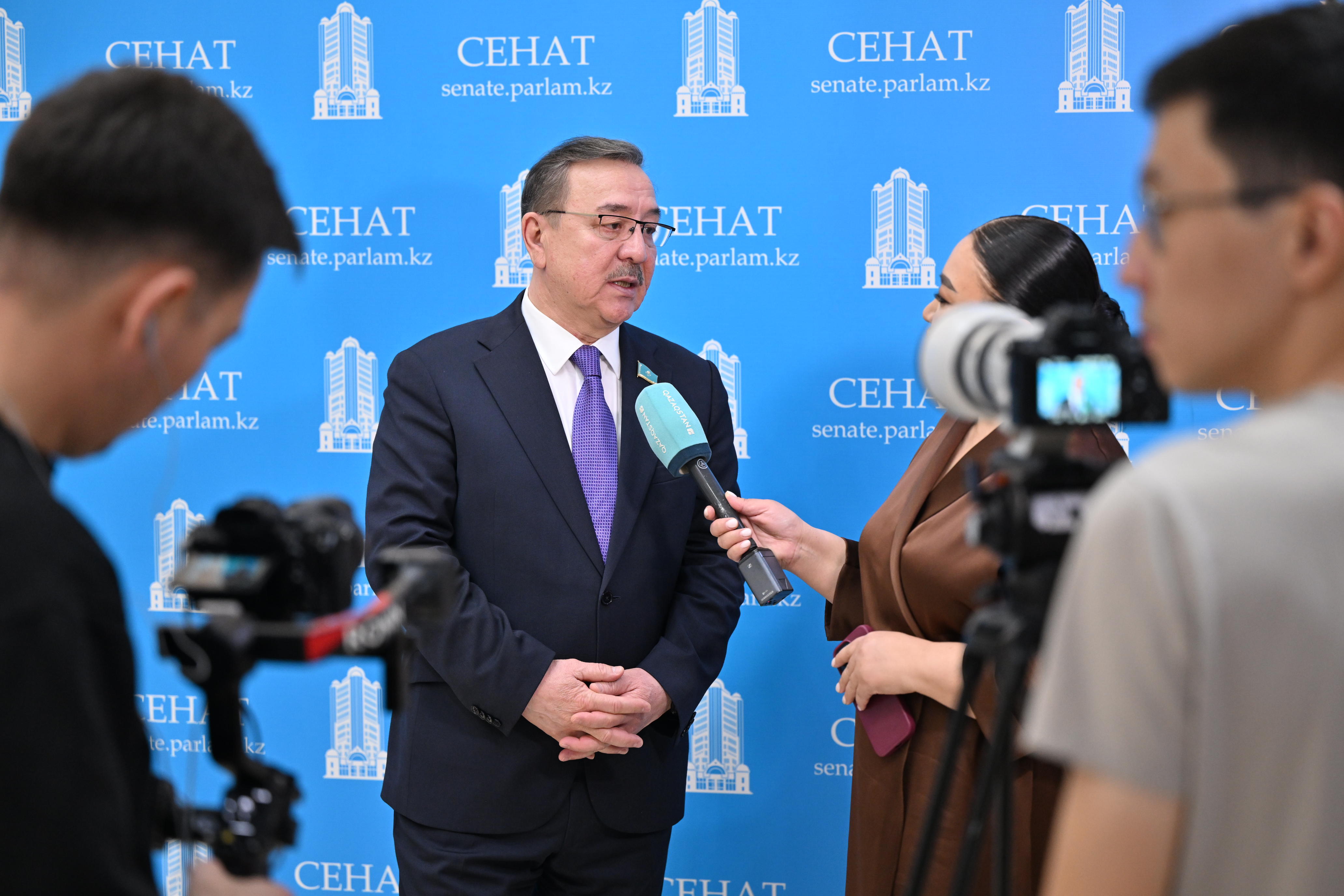
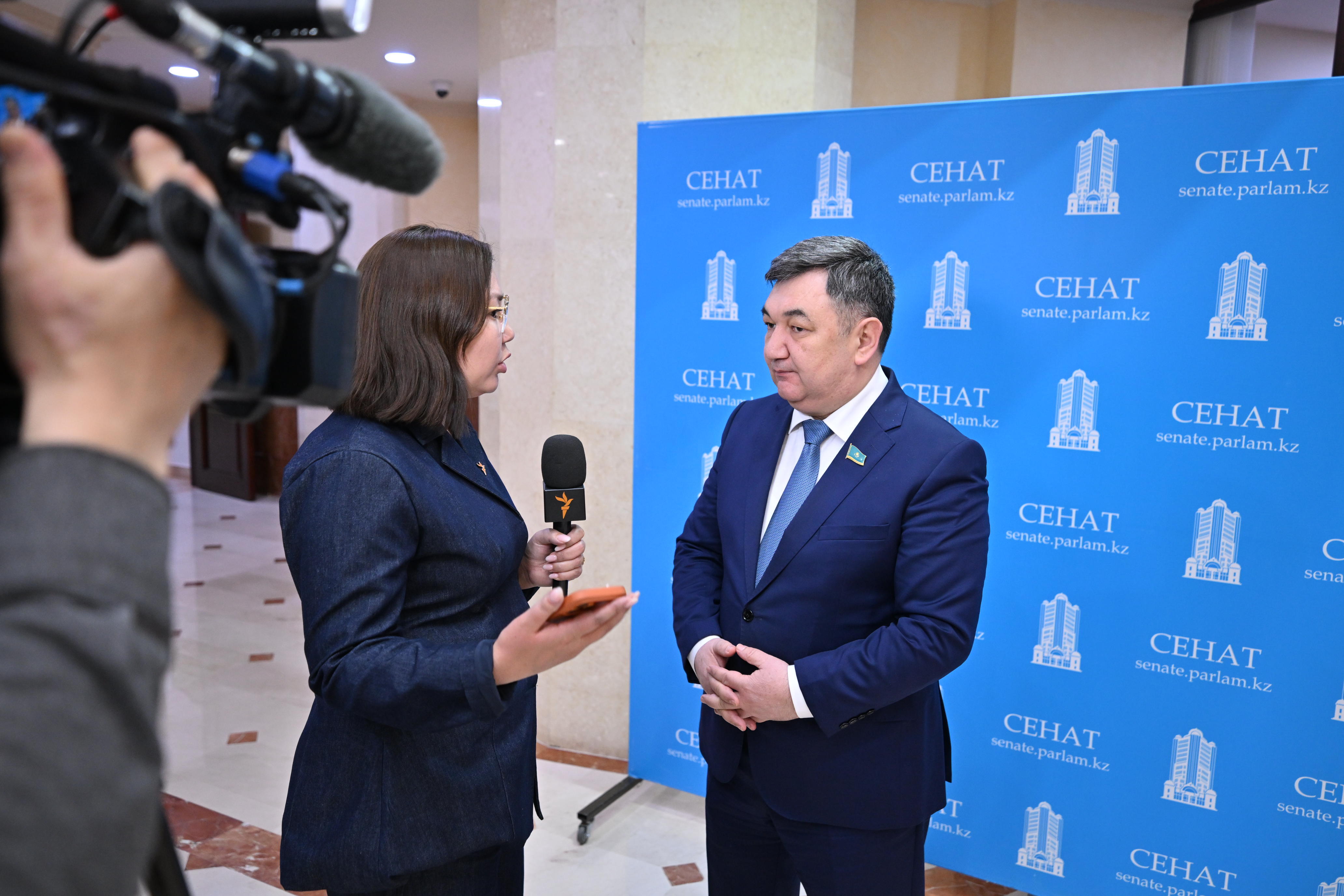
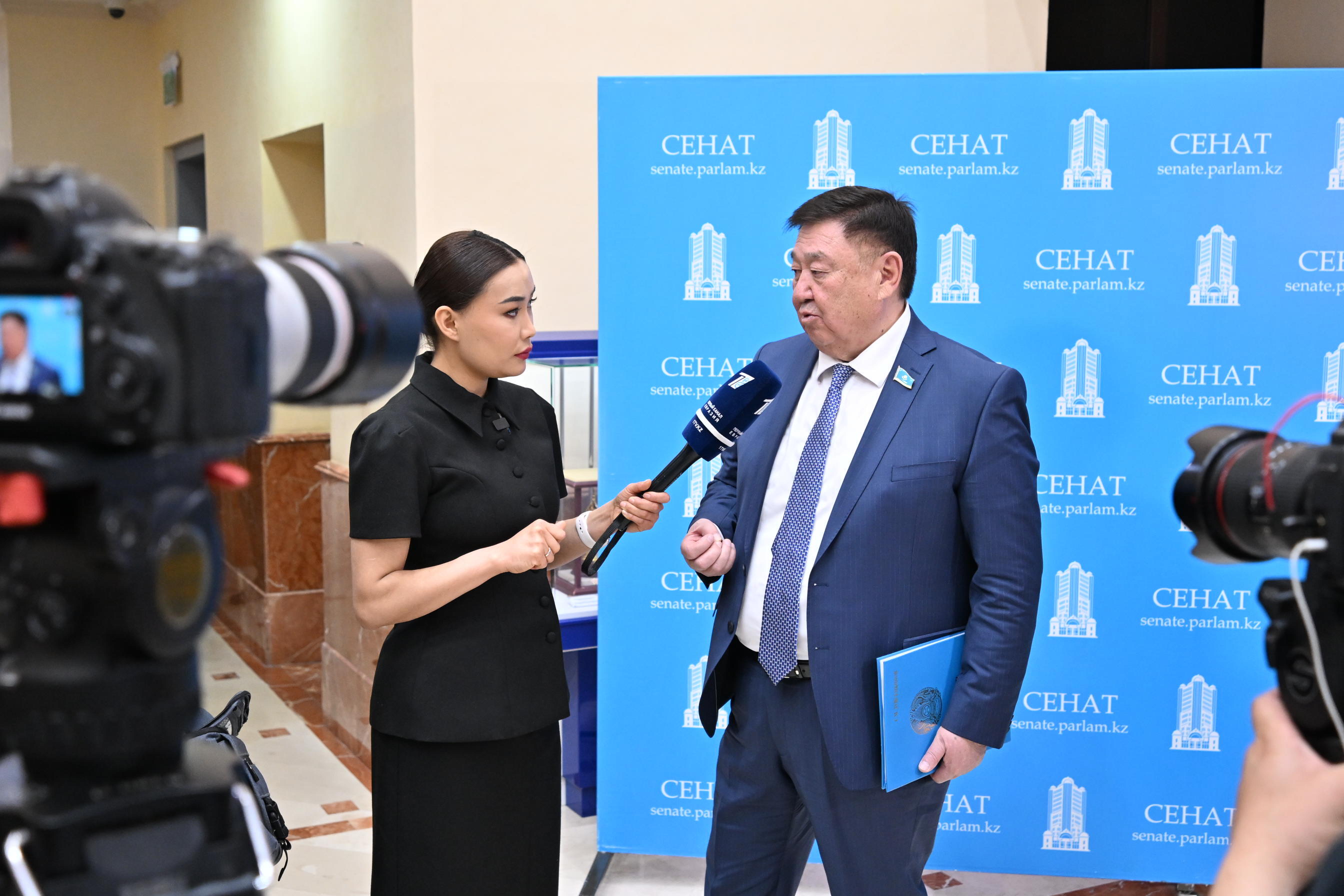
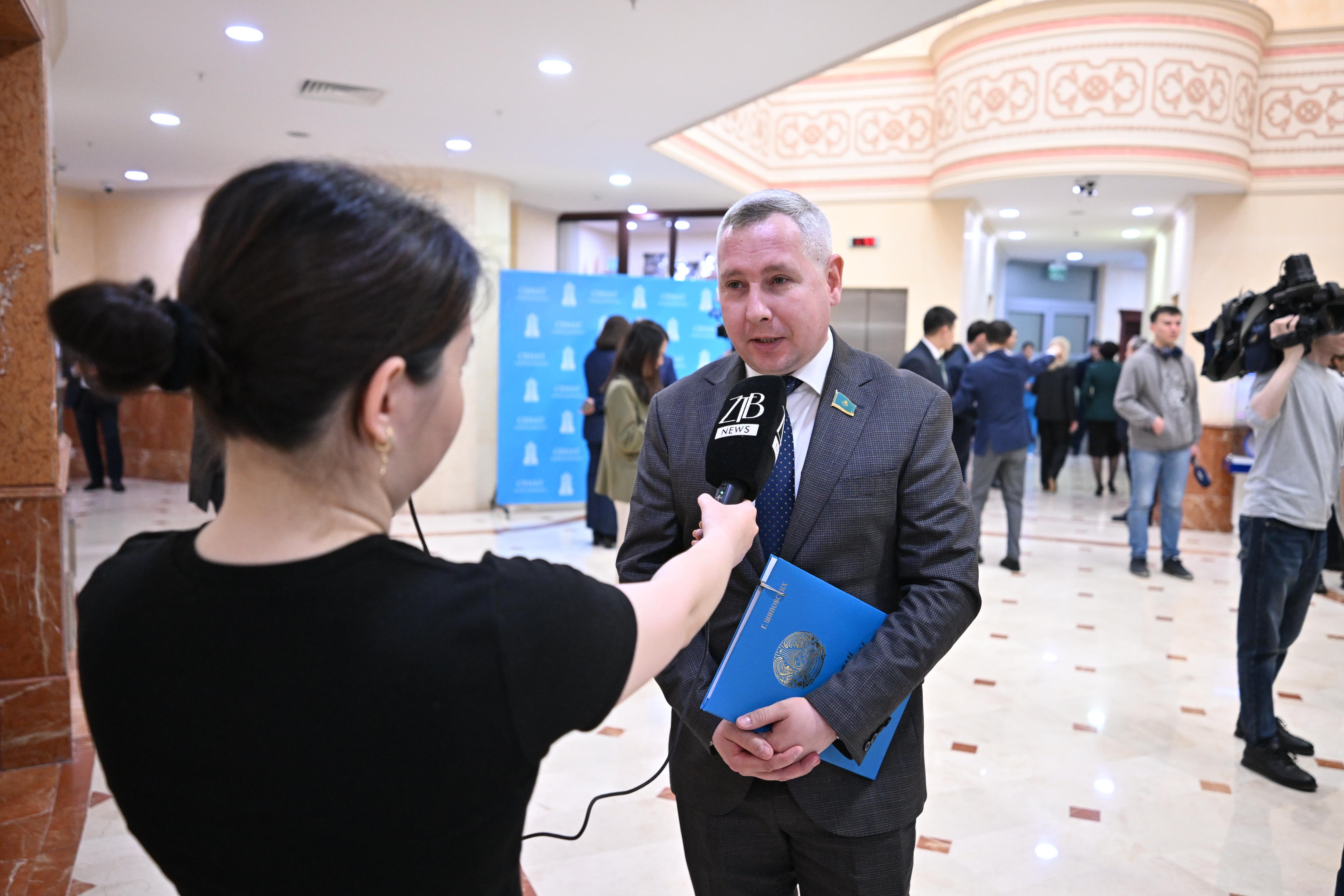
Chaired by Speaker of the Senate of the Parliament of the Republic of Kazakhstan Maulen Ashimbayev, a meeting of the Chamber was held, during which a number of laws were considered and parliamentary inquiries were voiced.
During the meeting, deputies reviewed and approved the Law "On the Ratification of the Agreement on Strategic Partnership in the Production and Transmission of Green Energy between the Republic of Azerbaijan, the Republic of Kazakhstan, and the Republic of Uzbekistan." According to the senators, ratification of the Agreement will contribute to strengthening energy security, diversifying transit routes, and promoting sustainable economic growth in Kazakhstan through the export of low-carbon products.
"The agreement outlines joint work between the three countries to develop green energy. To enhance its effectiveness, the parties envisage the creation of a special Steering Committee and a Working Group. Overall, we hope that the approval of the law will facilitate the development of renewable energy in Kazakhstan and strengthen regional cooperation in this area," said Maulen Ashimbayev, commenting on the approved law.
In particular, the parties will define technical and commercial terms for ensuring the reliable and uninterrupted transmission of "green" electricity. The agreement also provides for the implementation of new energy efficiency technologies and the development of infrastructure for energy exports to Europe and other regions.
The Senate also approved the Law "On Ratification of the Agreement on Cooperation between the CIS Member States in the Exchange of Radiation Monitoring Data." As part of this information exchange, the parties undertake to ensure regular data exchange, guarantee its accuracy, and promptly notify of technical failures. However, the Agreement applies only to data from the state radiation monitoring system and does not extend to radiation monitoring data from nuclear facilities.
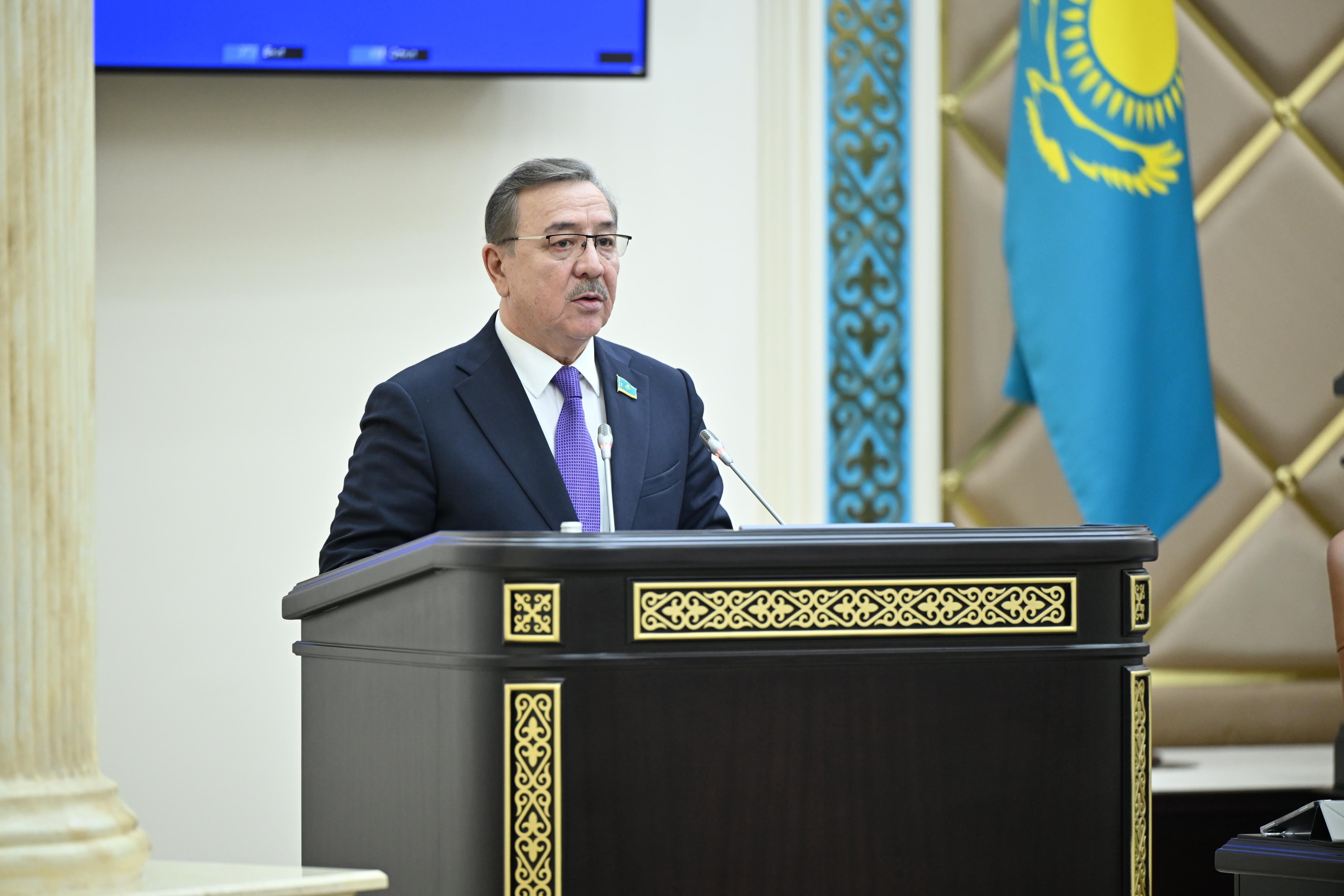
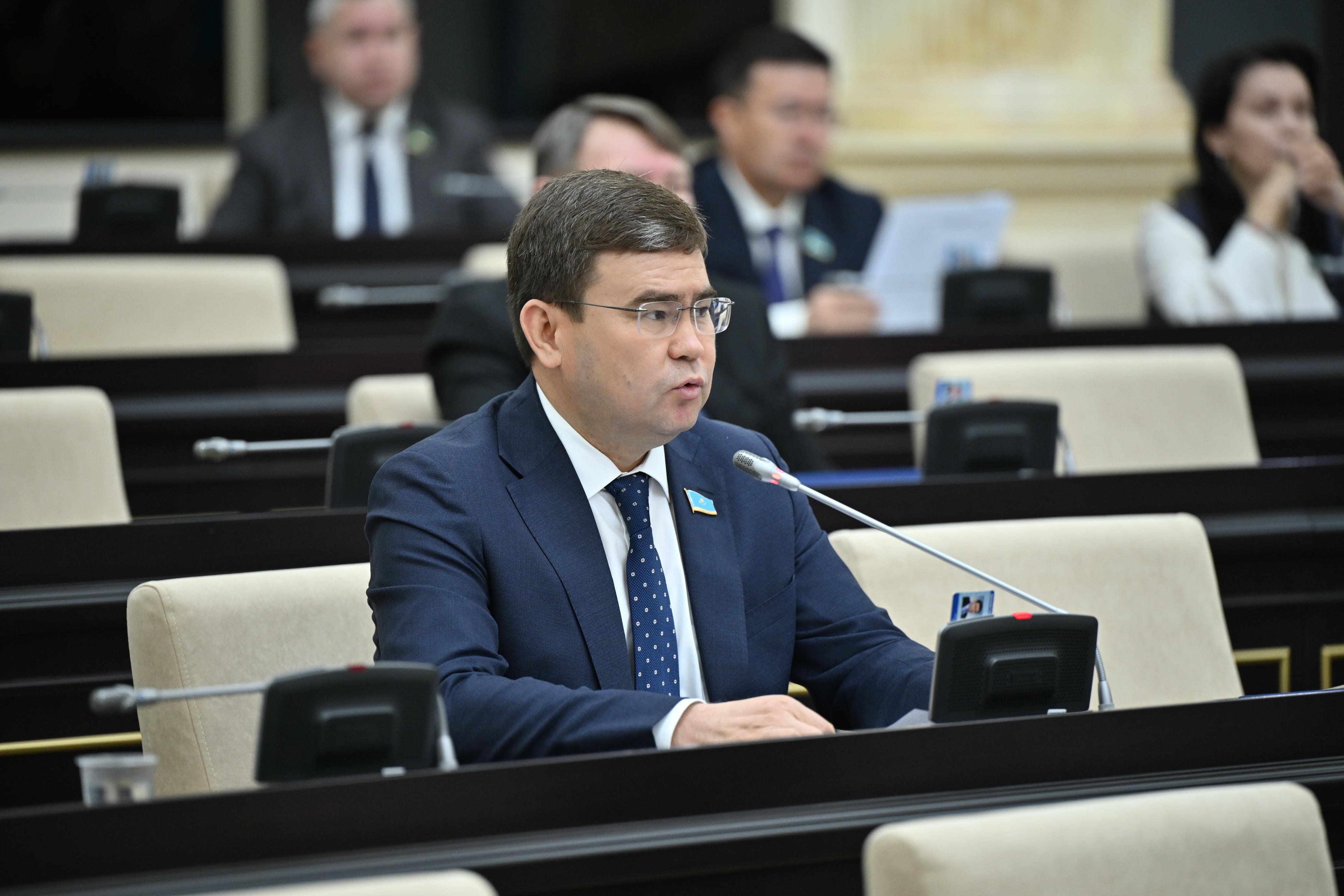
Furthermore, at the meeting, senators voiced parliamentary inquiries.
Talgat Zhunusov emphasized the importance of budgetary support for the construction of a local history museum in Zerenda, which is intended to become a creative hub and a modern visitor center for the Akmola region's tourism cluster. The project is currently virtually frozen due to a funding shortage.
Sultan Dyusembinov proposed reforming the credit union system and introducing market-based financing for the agricultural sector to support small businesses in rural areas and provide targeted support to the most vulnerable borrowers. A key measure is legislatively expanding the range of financial services that these unions will be able to provide to farmers.
Ainur Argynbekova announced initiatives to develop inclusive sports in fulfillment of the Head of State's instructions. She proposed developing unified regulations for the operation of regional centers, defining funding mechanisms based on principles of equal access, and strengthening human resources and the regulatory framework for the sector.
Galiaskar Sarybayev spoke about the need to expand the autonomy of national research universities operating as non-profit organizations. The senator stated that the current model limits their ability to attract investment and commercialize their developments, and proposed scaling up Nazarbayev University's successful experience.
Yernur Aitkenov proposed a package of measures to strengthen phytosanitary security, which serves as the foundation for the agricultural sector and exports. First and foremost, he believes, it is necessary to reinstate the specialty of "Phytosanitary Science" into the education system and technically re-equip laboratories to monitor GMOs and infections.
(Press Office of the Senate, 74-72-27. Photo by: A. Baizhumanov)