The Senate is holding the Parliamentary Hearings on agribusiness.
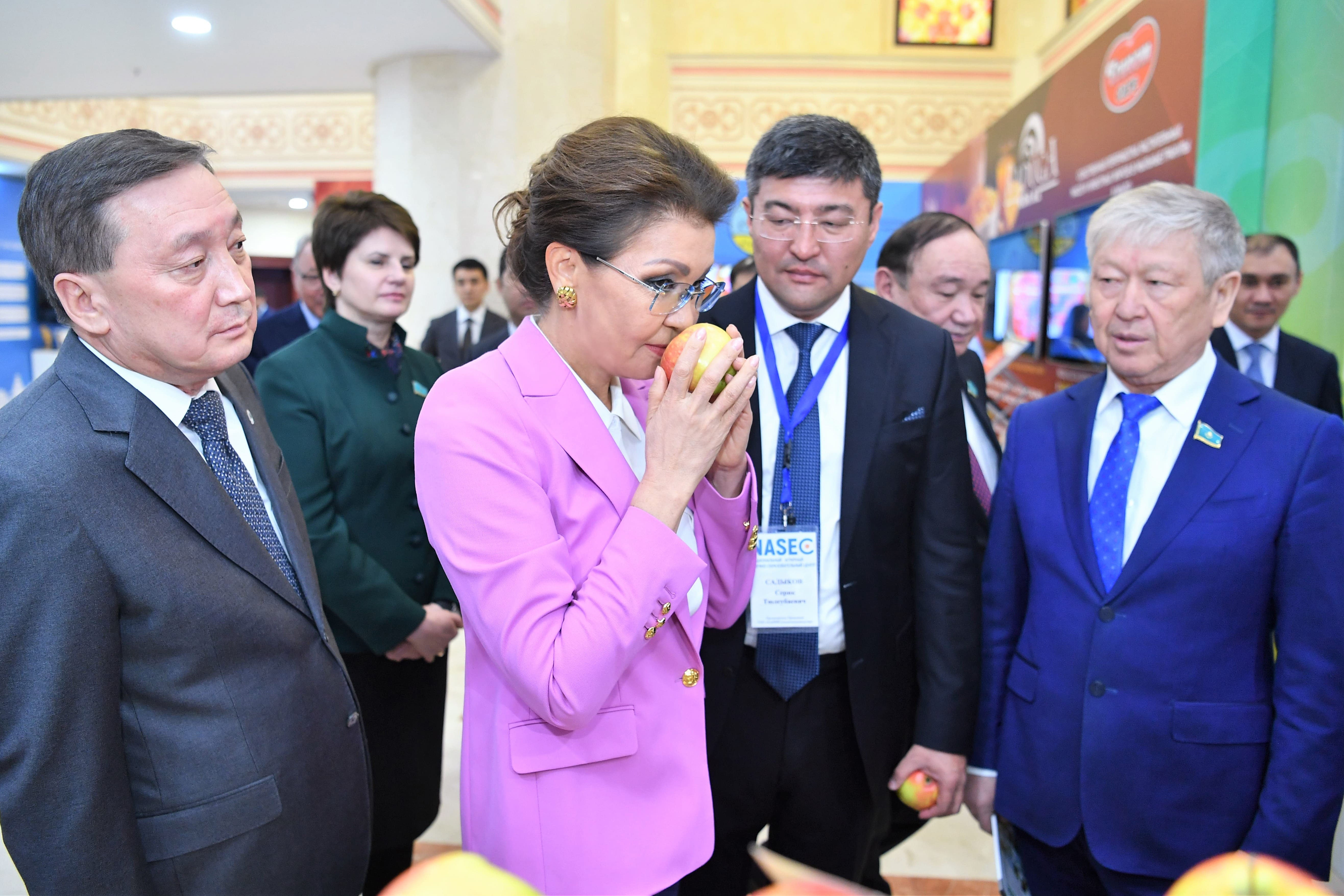
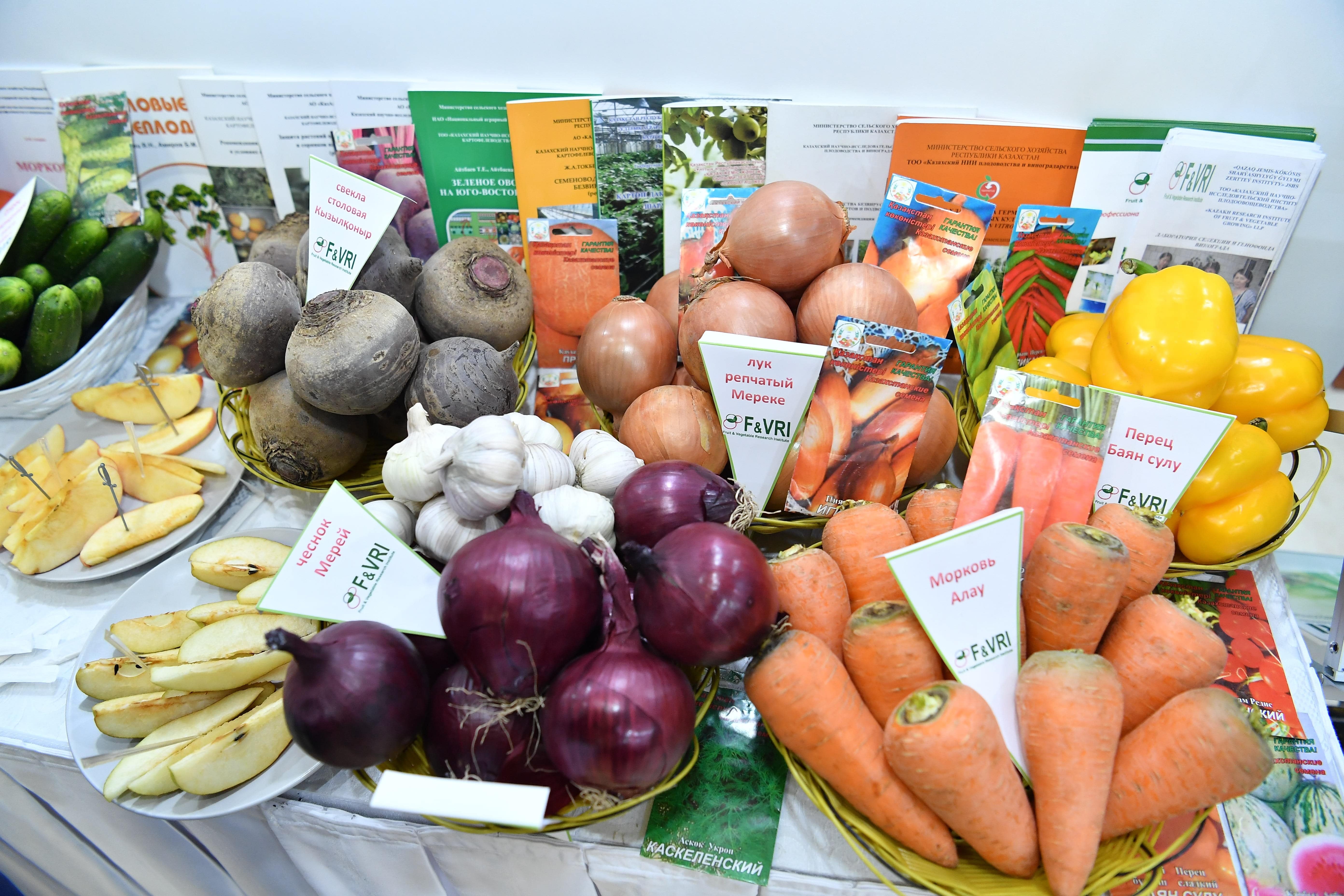
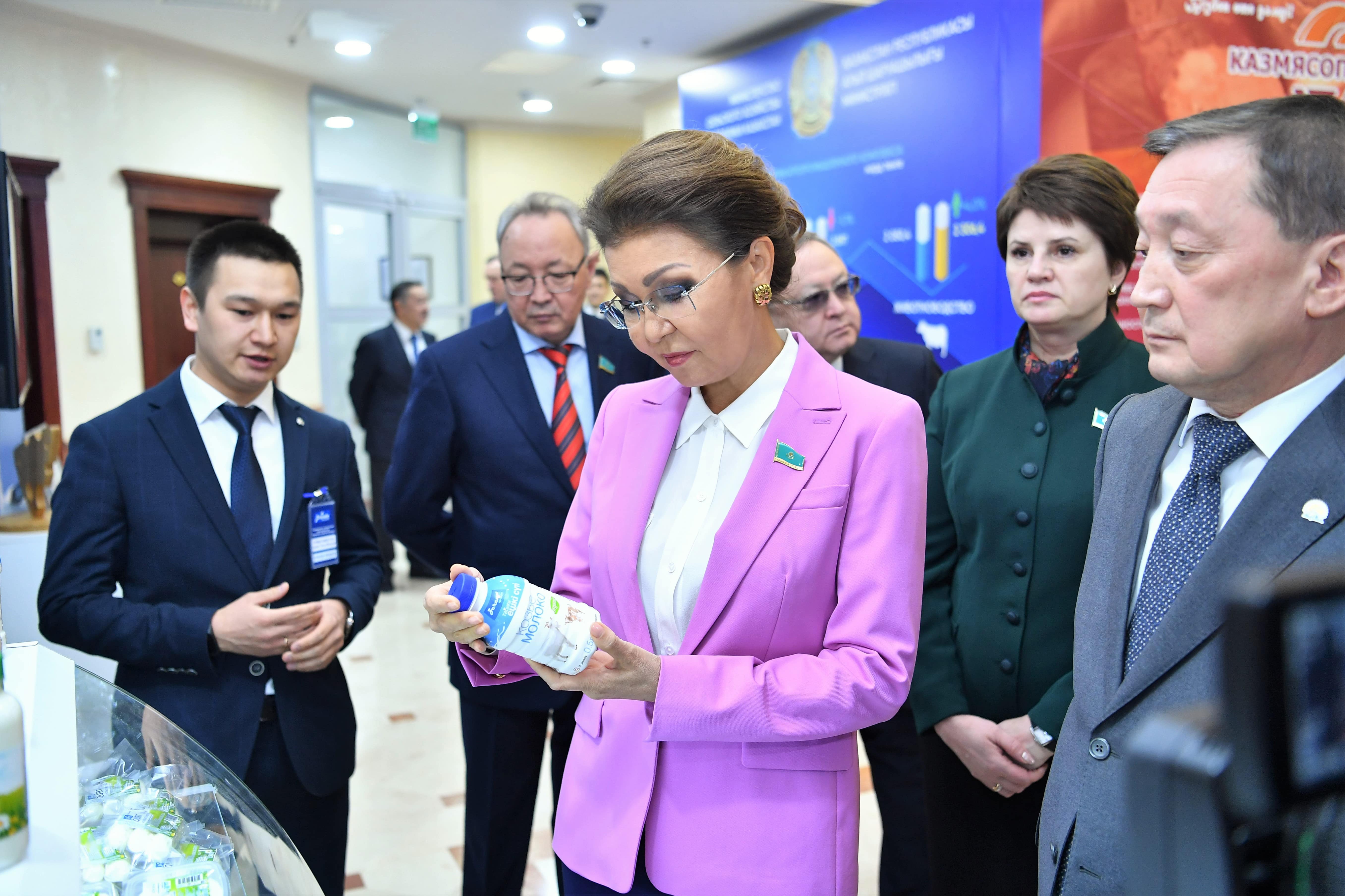
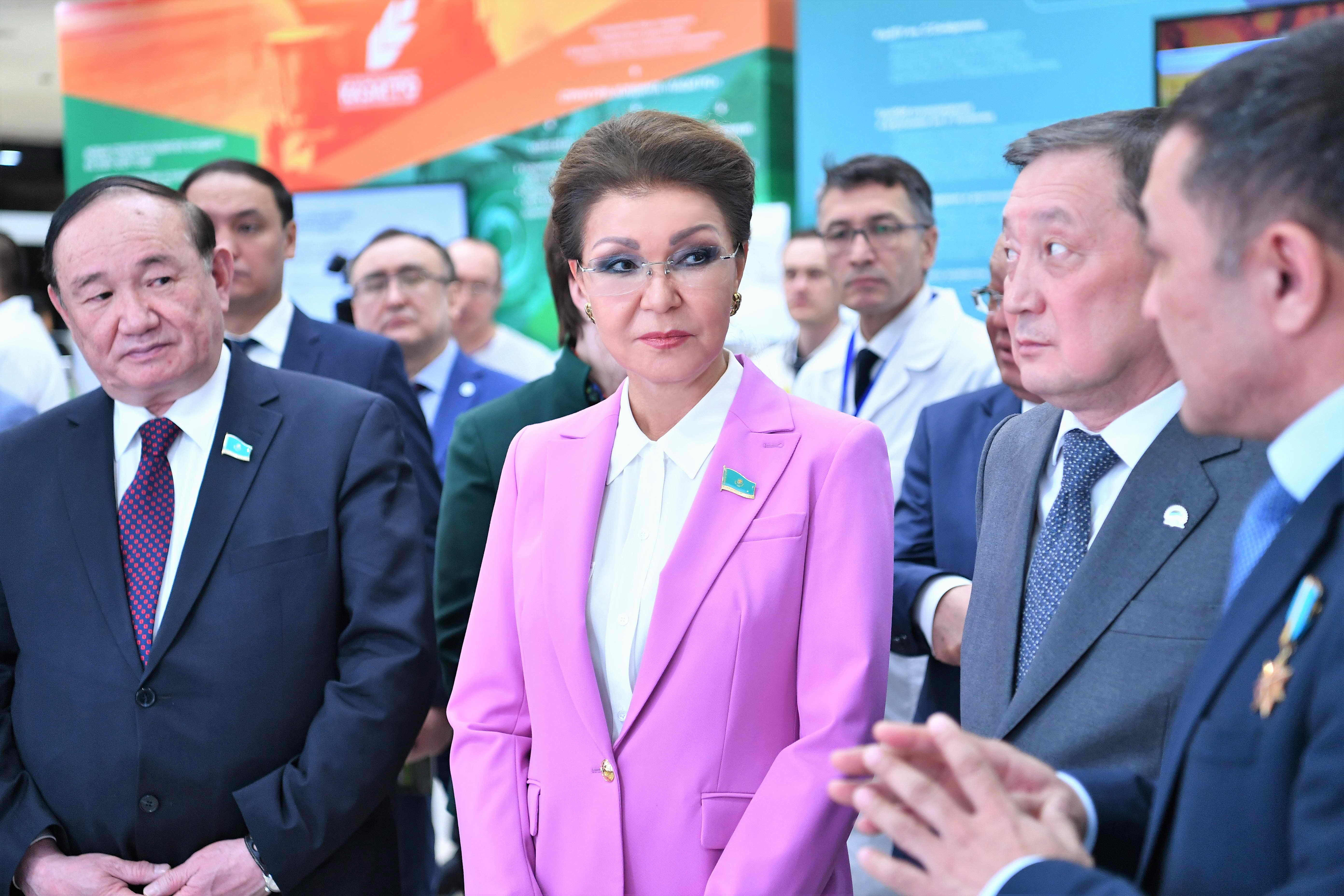
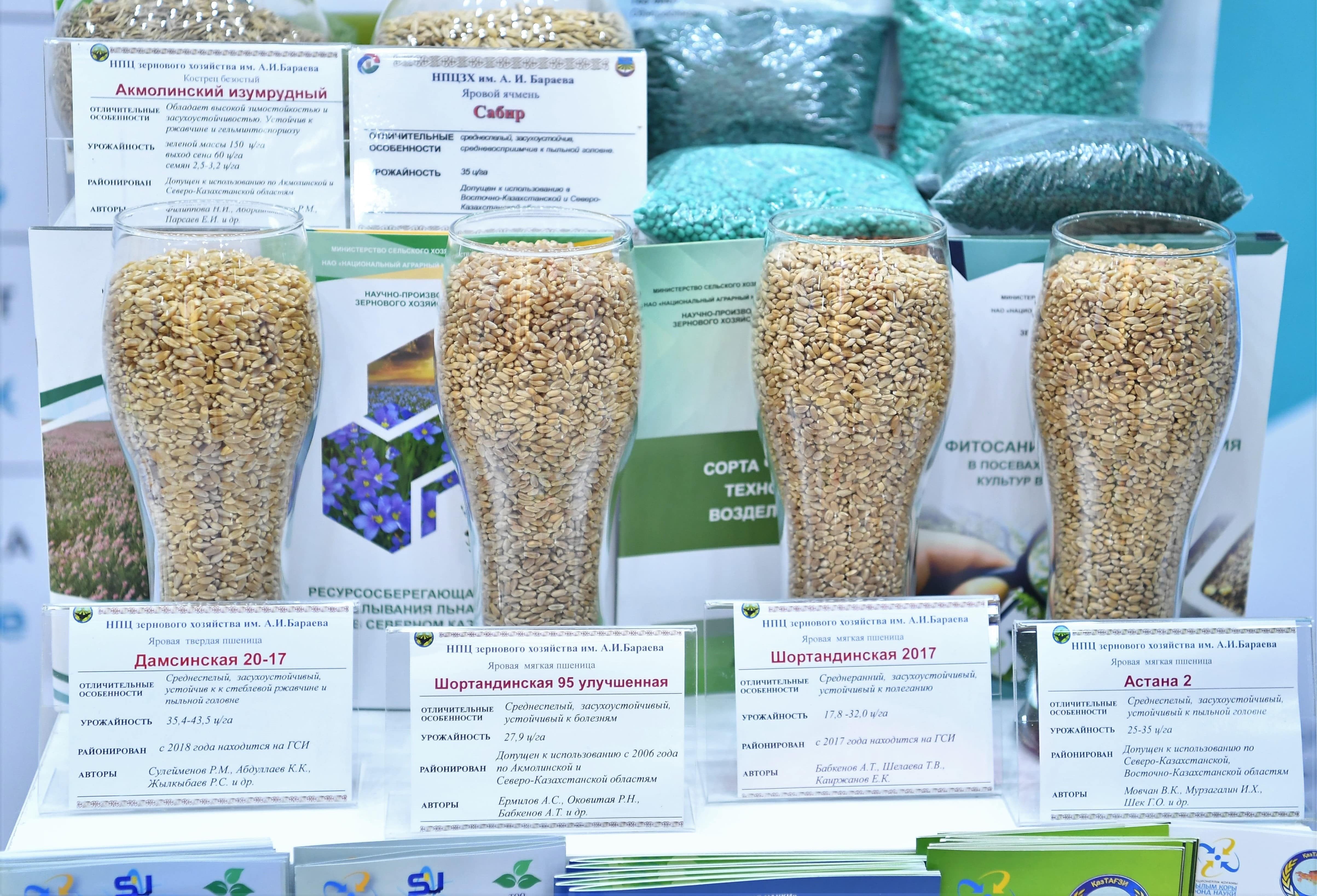
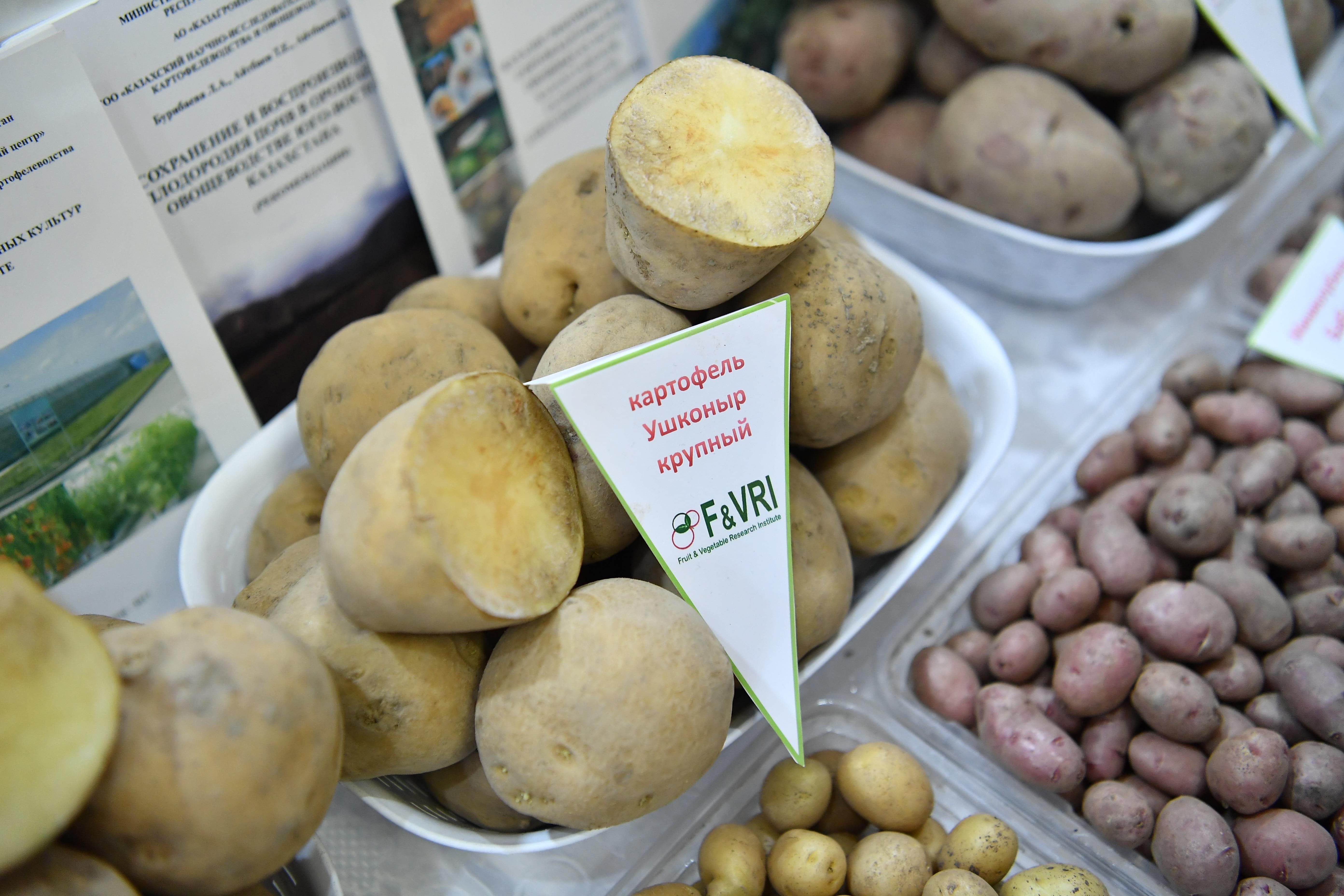
As part of the event, an exhibition of agricultural products was arranged. The Senate Chairperson Dariga Nazarbayeva saw the goods produced by various agricultural sectors, the achievements of agricultural science and the development institutes of KazAgro National Management Holding.
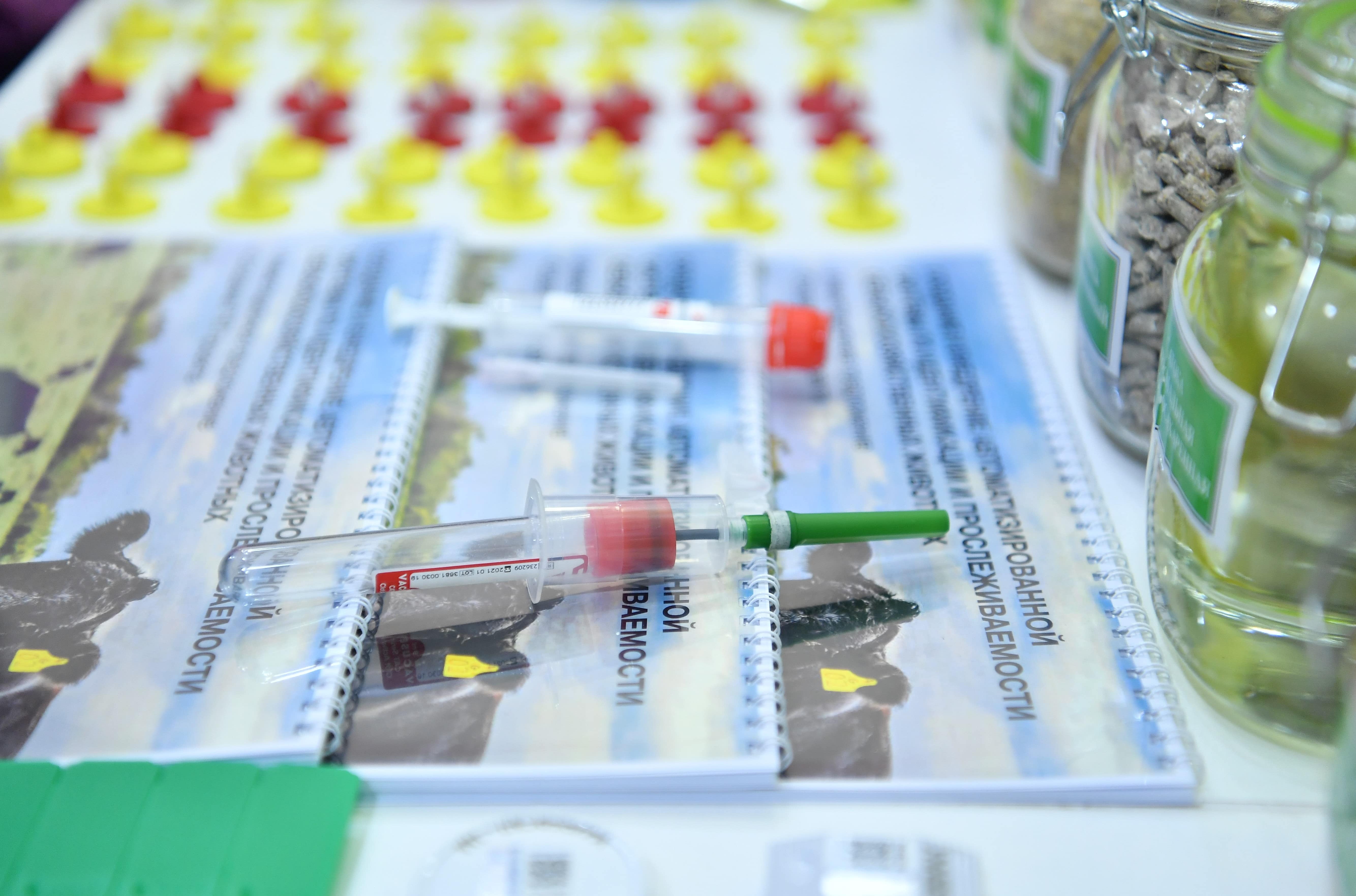
During the exhibition, the Senate Deputies were presented with the activities of a single consolidating center, which was the only manufacturer of products and accessories for veterinary use to identify animals in CIS countries, as well as a mini-plant for the production of canned camel meat and canned camel meat and cereal. The project won the competition for the commercialization of the results of scientific and technical activities.
When opening the meeting, the Chairperson of the Committee on Agrarian Issues, Nature Management and Rural Development Ali Bektayev noted that the Parliamentary Hearings were devoted to one of the most problematic and criticized, however, essential sectors of the economy directly related to the country’s national security – the agricultural sector. “As initiated by the Chairperson of the Chamber, Dariga Nazarbayeva, 12 working meetings were held in the Senate with more than 60 representatives of agricultural associations, producers and leaders of subordinate organizations involved. Based on the results of the working meetings, more than 200 recommendations were developed,” A. Bektayev said.
In her opening remarks, Dariga Nazarbayeva emphasized that the aul was the cradle of the national identity. “The roots of Kazakh identity lie in the village; it is a source of patriotism and a storage of time-honored traditions. Therefore, the issues of the aul development are so close and clear to each of us. The issues relating not only to 42 percent of the Kazakhstanis living in rural areas, but also the entire population of the country. Today, no one is surprised that, despite the general increase in income, people in the countryside are – to put it mildly – not rich. Maybe that’s why agriculture – as an industry – is stalled in the country?”, she said.
In her speech, Dariga Nazarbayeva also noted that agriculture was the core sector of the economy of Kazakhstan. “However, with the most reverent attitude of the people towards their motherland, agriculture has been one of the most problematic sectors of the economy for many years. Despite the fact that the quantitative indicators and percentage of the agribusiness are growing, we can see that the industry has stagnated over the past 10 years. The share of agriculture in GDP has never exceeded 5 percent over the past 10 years, and has been steadily declining recently,” the Head of the Chamber added.
At the same time, D. Nazarbayeva drew special attention to the fact that the years of constant and unsystematic reforming of the country’s agricultural sector led to a crisis in agriculture. “We can’t often see specific problems of people behind tables and numbers. We should pay attention to what is happening in the industry in the social dimension. The villagers’ quality of life suffers from a poor access to infrastructural facilities. Under such conditions, the social well-being of residents cannot be satisfactory and make them want to stay in their native village,” the Senate Speaker said.
The hearings included reports by the Minister of Agriculture Saparkhan Omarov, Chairperson of Atameken National Chamber of Entrepreneurs of the Republic of Kazakhstan Ablay Myrzakhmetov, Head of the Office for Communication, Partnerships and Advocacy of the UN Food and Agriculture Organization (FAO) in Kazakhstan Kayrat Nazhmidenov and others.
In addition to the deputies, leaders of several regions, representatives of public associations and agricultural enterprises also took part in the discussion of pressing issues of the agro-industrial sphere.
Following the results of the Parliamentary Hearings, recommendations will be developed to be sent to the Government.