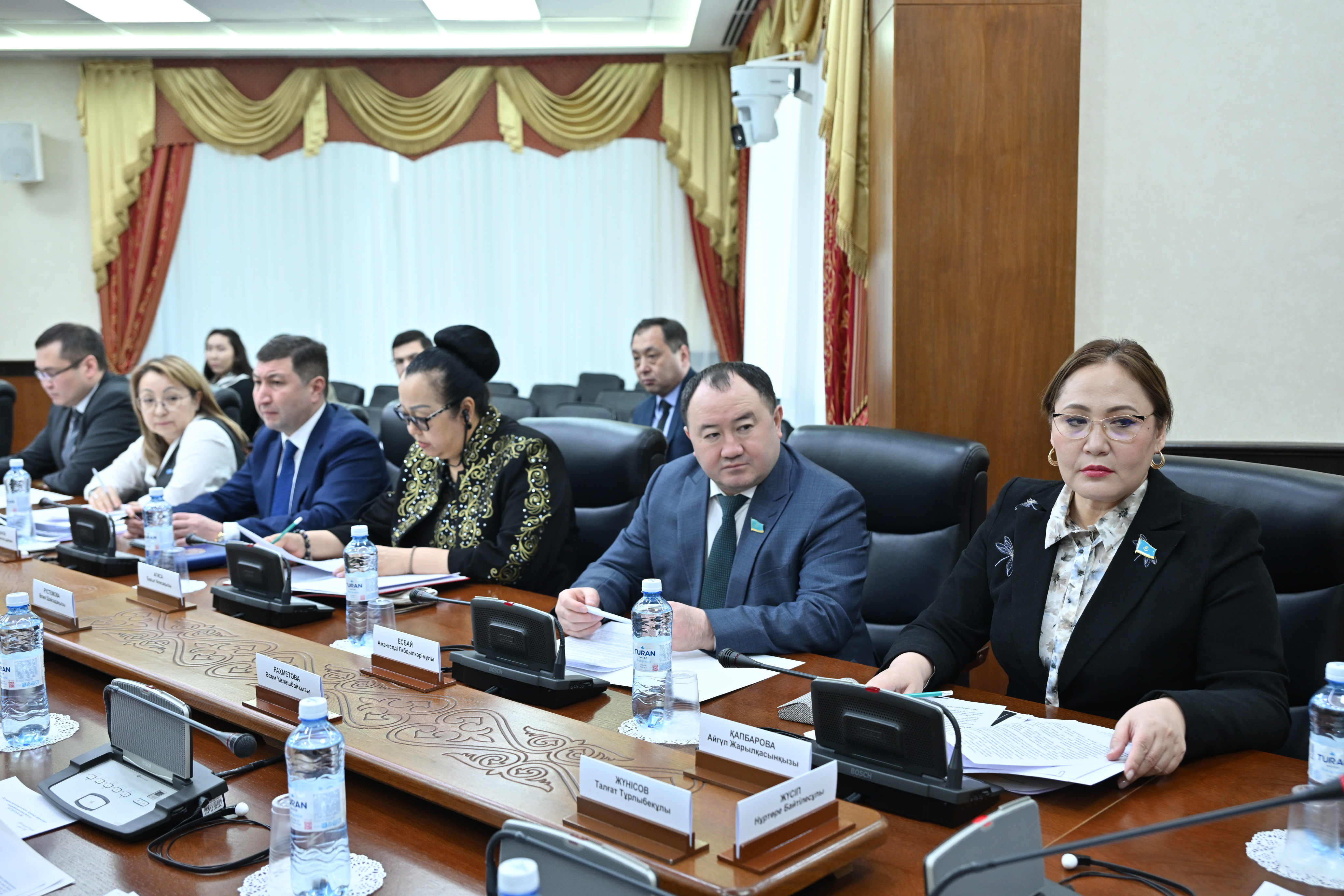
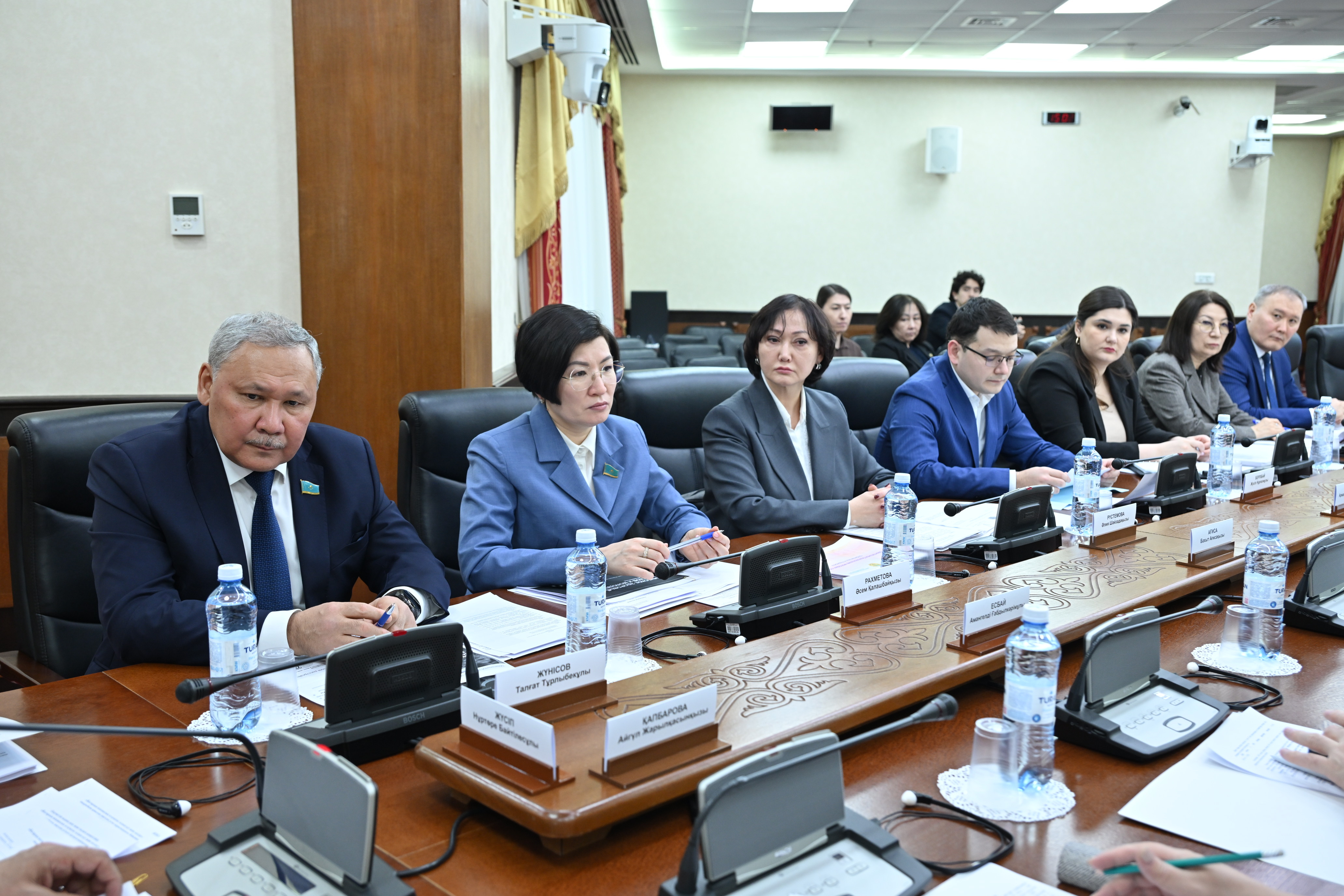
Members of the Senate Committee on Social, Cultural Development and Science held a roundtable discussion on "Mental Well-Being of Young People: Prevention and Support." Participants discussed the development of a psychological support system, crisis prevention among adolescents and young adults, and improving the effectiveness of interagency cooperation in this area.
Committee Chairman Nurtore Jusip emphasized that the mental well-being of young people is an important national development issue, impacting human capital and societal resilience. He stated that today it is essential to combine the efforts of the state, the education system, healthcare, and civil society to create an effective support system for the younger generation.
"We must address mental health not as a problem of isolated cases, but as a long-term national priority. Adolescents and young adults should not be left alone with their experiences – the system must recognize, listen to, and support them promptly. Our task is to create conditions in which prevention becomes the norm, psychological support is accessible and understandable, and society as a whole becomes more attentive to the inner state of young people," Nurtore Jusip noted.
The meeting addressed issues related to the prevention of suicidal behavior in minors, enhancing the role of school psychologists, early detection of warning signs, and limiting the spread of destructive content in the information space. Participants emphasized that effective prevention requires coordinated efforts by government agencies and the development of modern tools to support adolescents and young adults.
The parliamentarians noted that youth mental health issues extend beyond the medical agenda and are becoming an important part of state social policy. They emphasized the need to shift from reactive measures to systemic prevention aimed at early identification of risk factors, strengthening the role of families and schools, and providing accessible psychological support. Particular attention was paid to the increasing emotional vulnerability of adolescents and the need to foster a culture of timely support seeking.
(Press Office of the Senate, 74-72-27)