Improving the effectiveness of state social programs was discussed today by participants in an expanded meeting of the Senate Committee on Socio-Cultural Development and Science.
Gathered around the table were not only Senate deputies but also representatives from the Ministry of Labor and Social Protection, the Ministry of Finance, the Ministry of National Economy, the Supreme Audit Chamber, the Atameken National Chamber of Entrepreneurs, and local executive bodies.
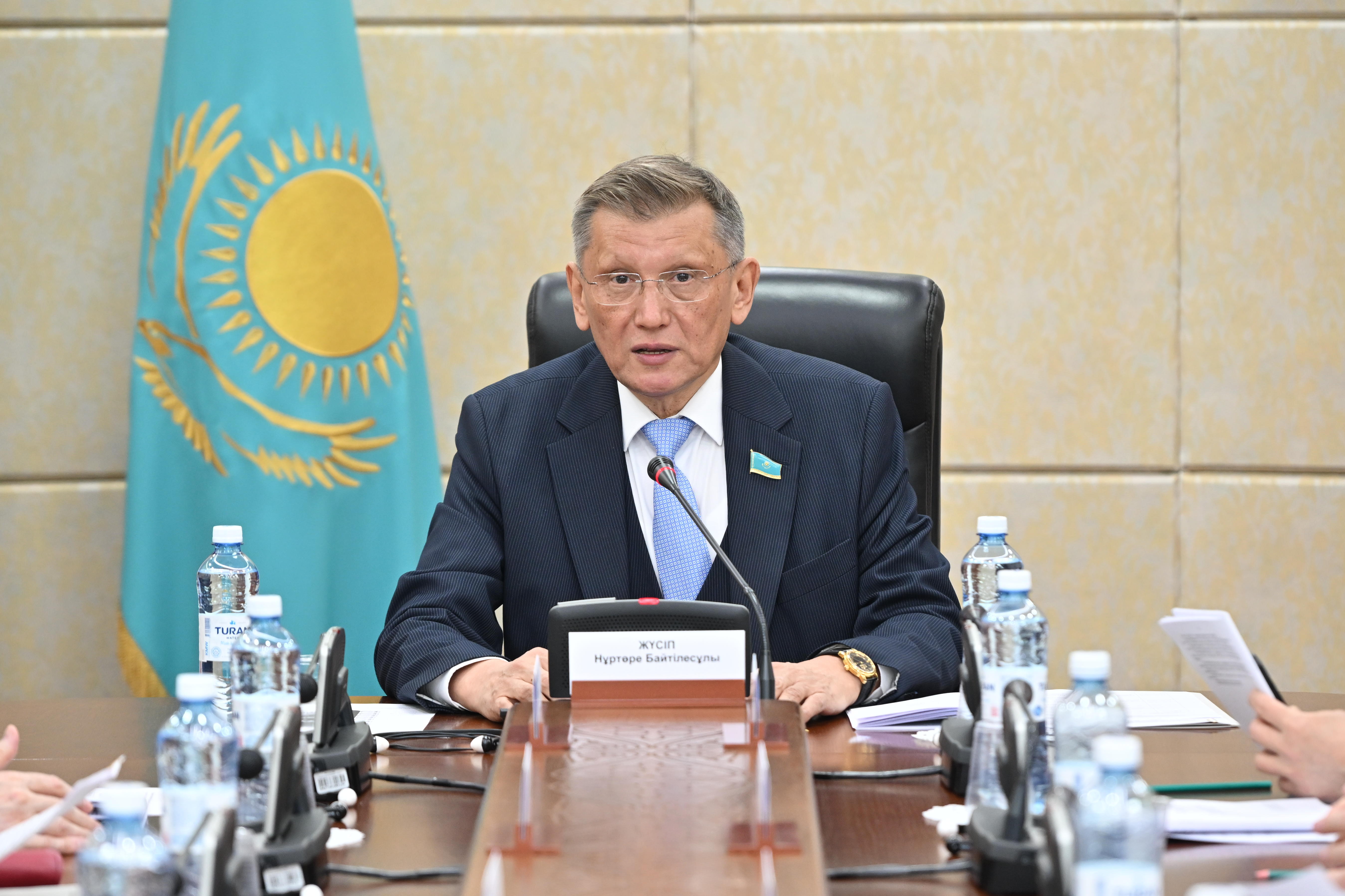
Opening the meeting, Committee Chairman Nurtore Zhusip noted that in today's environment, social policy must not only provide support to vulnerable segments of the population but also become a driver of economic activity.
"The effectiveness of social programs should be measured not by the amount of funds spent, but by specific results—employment, income growth, and citizens' economic engagement. Our goal is to create a system that will encourage working-age citizens to actively participate in the economy," emphasized Nurtore Zhusip.
The meeting discussed current approaches to implementing employment programs, entrepreneurship support measures, and ways to improve the targeting and effectiveness of state aid.
Minister of Labor and Social Protection Askarbek Ertayev presented information on the labor market situation and ongoing employment promotion measures, including job creation, vocational training development, and the introduction of new support tools.
A member of the Supreme Audit Chamber identified systemic challenges in the implementation of individual programs, including the risks of formal employment and the insufficient transition of program participants to permanent employment.
Representatives of the financial sector emphasized the importance of digitalization and preventive audits, which can increase the transparency of budgetary funds and prevent violations at an early stage.
Committee members emphasized the need to shift the focus from temporary employment to the creation of sustainable jobs, the development of entrepreneurship, and improved professional training. The discussion also presented proposals for a transition to a proactive social policy model focused on individual employment trajectories and a close alignment of state support measures with actual labor market demand.
Following the meeting, recommendations were developed aimed at improving the mechanisms for implementing social programs, increasing their effectiveness, and strengthening the stimulating role of state policy in employment and economic activity.
(Press Office of the Senate, 74-72-27)